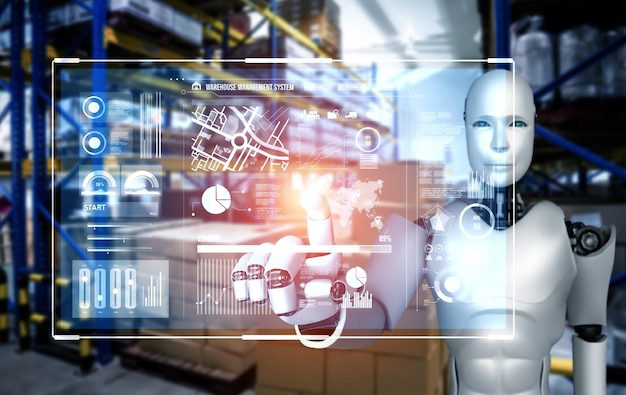
Agentic AI is playing a pivotal role in enhancing supply chain agility and resilience, particularly in Southeast Asia’s rapidly growing e-commerce and fast-moving consumer goods (FMCG) sectors. In markets such as the Philippines, where demand and logistics complexity are increasing significantly, agentic AI systems automate critical and complex decision-making processes. Unlike traditional AI that mainly generates content or provides insights, agentic AI autonomously reasons, plans, and acts to optimize supply chain operations in real time.
This technology empowers supply chain networks to better adapt to disruptions by continuously monitoring data, detecting anomalies, and implementing corrective actions without constant human oversight. The autonomy and adaptability of agentic AI strengthen human judgment by automating routine yet intricate tasks including inventory management, shipping coordination, and demand forecasting. This results in improved operational efficiency and supports scalable growth within the region’s booming digital economy.
The adoption of agentic AI is part of a broader shift in AI usage, evolving from reactive chatbots or content creators to intelligent agents that act independently to execute workflows. This transformation is critical in Southeast Asia, where supply chains face unique challenges due to diverse markets and fast-paced consumer demands. By integrating agentic AI, companies gain resilience against volatility, reduce manual intervention, and drive innovation, ultimately delivering more reliable and agile supply chain ecosystems.
Frequently asked questions
What role does agentic AI play in supply chains?
Agentic AI automates critical and complex decision-making processes, enhancing supply chain agility and resilience.
How does agentic AI differ from traditional AI?
Unlike traditional AI, which mainly generates content or provides insights, agentic AI autonomously reasons, plans, and acts to optimize operations.
What benefits does agentic AI provide to companies?
It improves operational efficiency, reduces manual intervention, and drives innovation, resulting in more reliable and agile supply chain ecosystems.