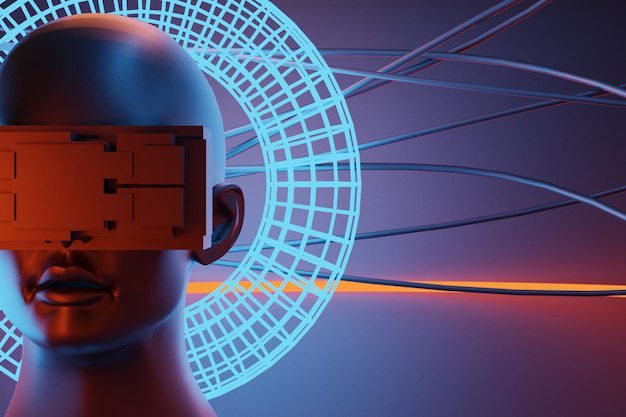
Filmmaker Steven Soderbergh has openly embraced the use of artificial intelligence in his upcoming documentary about John Lennon and Yoko Ono, describing his decision as an obligation rather than a choice. Soderbergh explained that incorporating AI is no longer an optional or novel approach but is becoming a standard part of the filmmaking process. Specifically, he is employing AI to generate visually surreal and dreamlike sequences that help illustrate abstract or philosophical themes within the film. According to Soderbergh, the AI-generated footage serves as a “dream space,” offering a way to convey elements that conventional filming techniques cannot capture effectively. While this use of AI footage is relatively brief, covering about ten minutes of the documentary, Soderbergh also plans extensive AI integration in future projects, including a film on the Spanish-American War.
His perspective highlights a significant shift in how major filmmakers view AI, moving from skepticism to acceptance as an essential tool in cinematic storytelling. This approach, however, has sparked a mix of intrigue and debate over AI’s artistic merit and authenticity, especially in documentaries where creative interpretation overlaps with historical representation. Soderbergh acknowledges these concerns but views AI as a solution to visual gaps in storytelling, not a replacement for human creativity. His use of AI in documentary filmmaking reflects a growing trend in the industry, underscoring the evolving role of technology in shaping narrative and visual innovation.
Frequently asked questions
What is Soderbergh's stance on using AI in filmmaking?
Soderbergh feels obligated to use AI, viewing it as a standard part of the filmmaking process rather than an optional approach.
How does Soderbergh utilize AI in his documentary?
He employs AI to generate visually surreal sequences that illustrate abstract themes, creating a 'dream space' for storytelling.