
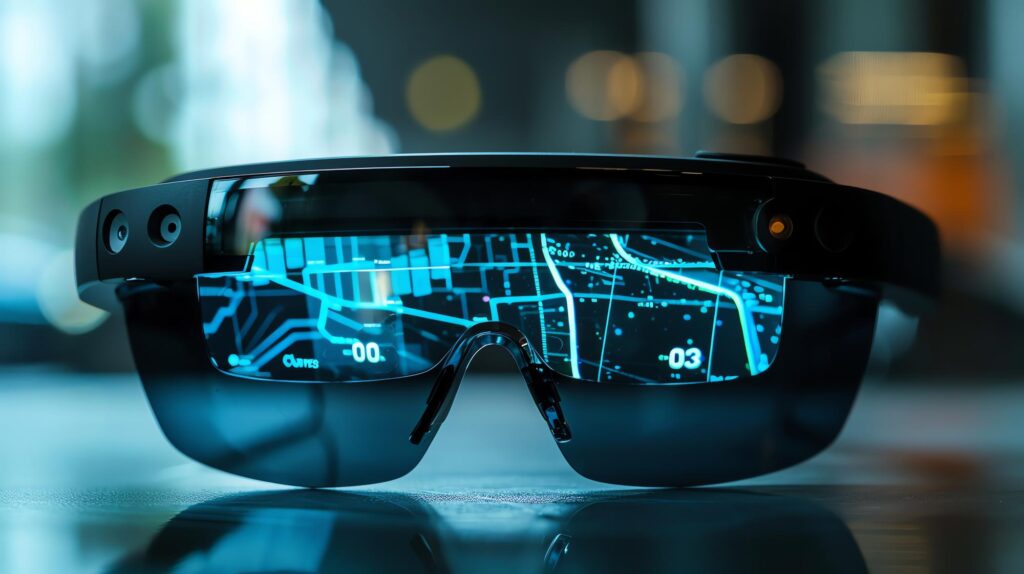
AI-powered smart glasses are providing crucial support to visually impaired athletes preparing for the London Marathon, enhancing their independence and navigation capabilities. One notable example is a runner gearing up to participate alongside her boyfriend, who acts as her guide. She uses Oakley Meta Vanguard smart glasses, equipped with AI that processes visual inputs in real time, identifying obstacles, movements, and changes in the environment. This additional awareness layer is vital for safely navigating running courses and busy urban areas during marathons.
Chris Lewis, a technology analyst who is visually impaired and has experience using these glasses while skiing, highlights how the AI actively analyzes scenes to offer continuous information about what lies ahead, allowing users to react promptly. However, experts emphasize that the glasses are designed to supplement—not replace—core independent skills necessary for orientation.
Tommy Dean, a technology specialist at a charity supporting the visually impaired, stresses the importance of reliability in such assistive devices, especially when they enable users to move independently through complex environments. The advent of these AI smart glasses marks significant progress in assistive technology, offering new opportunities for visually impaired people to engage in athletic and daily activities with greater confidence and safety. This innovation aligns with broader trends of leveraging AI to enhance accessibility and independence for people with disabilities.
Frequently asked questions
How do AI smart glasses help visually impaired runners?
AI smart glasses provide real-time processing of visual inputs, identifying obstacles and changes in the environment, which aids in navigation.
What is the role of the guide for visually impaired runners?
The guide assists the visually impaired runner while the smart glasses enhance their awareness of the surroundings.