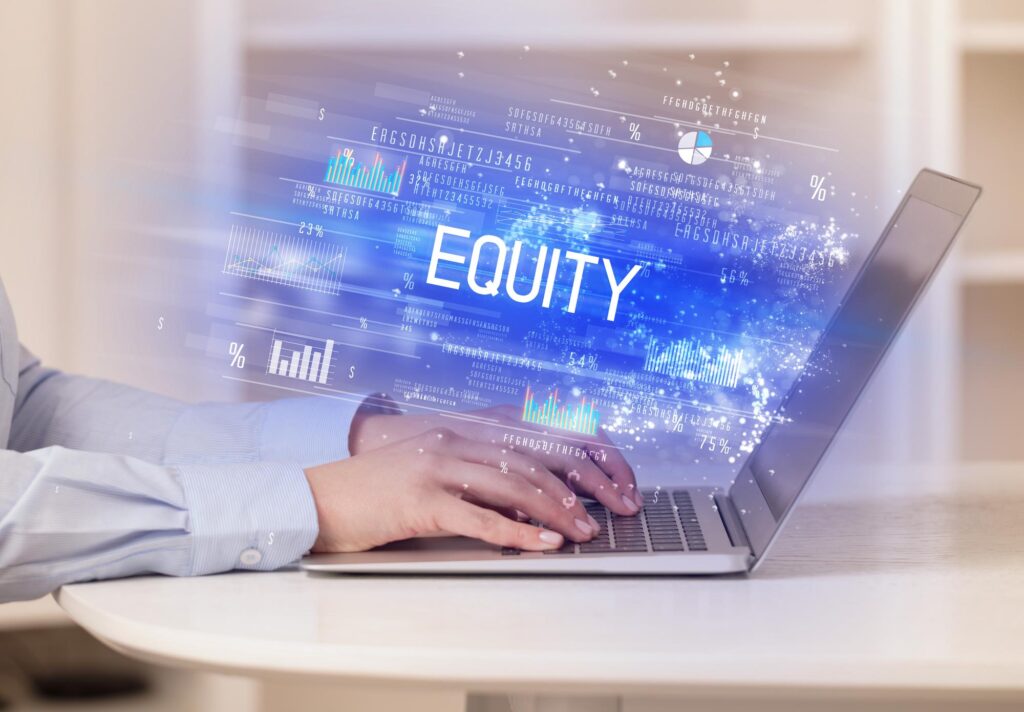
In 2017, Sam Altman proposed an equal equity split for the for-profit iteration of OpenAI among key founding figures, including Elon Musk. This idea aimed to distribute ownership evenly to incentivize and reward principal contributors to OpenAI’s mission. However, Elon Musk rejected the proposal, reasoning that he could easily start another AI company if necessary and preferred not to commit to an equal equity arrangement. This disagreement foreshadowed growing tensions between Musk and other OpenAI leaders over the organization’s direction.
The equity split discussion took place during early debates as OpenAI transitioned from a nonprofit into a capped-profit company. Musk’s reluctance to accept equal shares reflected divergent visions of OpenAI’s future, including governance and commercialization strategies. Subsequently, Musk departed OpenAI and pursued his own AI interests separately, while Sam Altman and others moved forward, positioning OpenAI as a competitive force in the AI industry.
This episode is part of the broader narrative of how OpenAI evolved through complex founder dynamics and strategic decisions that ultimately shaped its approach to AI development and partnerships. Equal equity splits are rare in startup structures, especially for companies expected to raise substantial funding and pursue commercial opportunities. Altman’s proposal highlights early efforts to balance fairness with ambition amidst a rapidly transforming AI landscape.
Frequently asked questions
What was Sam Altman's proposal regarding OpenAI?
Sam Altman proposed an equal equity split for the for-profit iteration of OpenAI among key founding figures.
Why did Elon Musk reject the equal equity split?
Elon Musk rejected the proposal because he preferred not to commit to an equal equity arrangement, believing he could easily start another AI company if necessary.
What was the outcome of the disagreement between Musk and Altman?
The disagreement led to growing tensions between Musk and other OpenAI leaders, ultimately resulting in Musk's departure from OpenAI.