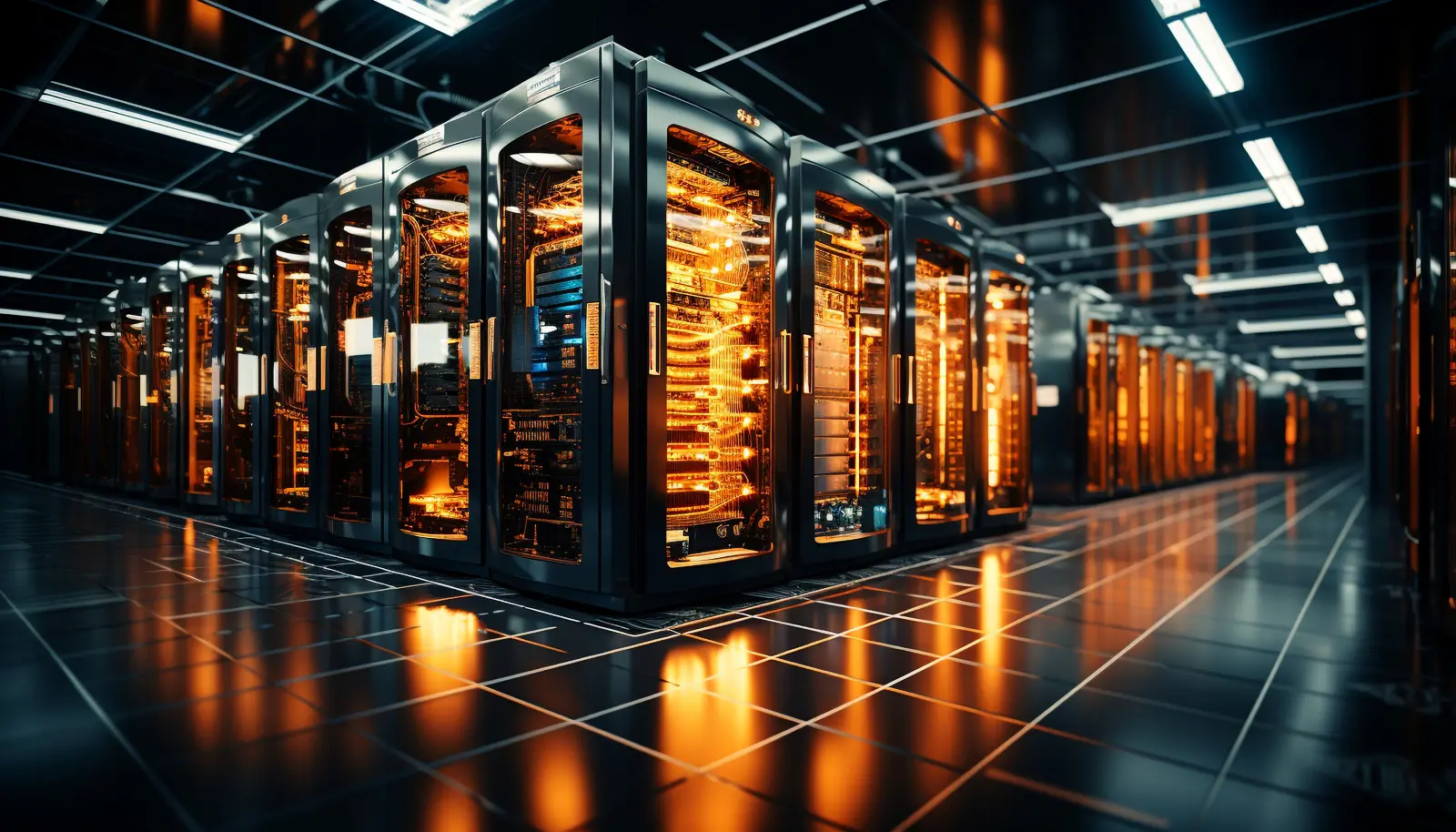
The AI boom of 2025 bears striking parallels to historic infrastructure manias, with significant investment pouring into AI-related capital spending such as data centers, chips, and power supplies. This surge represents a meaningful driver of economic growth, yet market observers raise concerns about potential bubbles forming, especially in data center infrastructure. Success in this environment, experts argue, depends on three critical factors: the establishment of enduring assets, secure power rights, and maintaining disciplined investment practices.
Unlike the speculative fiber-optic booms of the late 1990s, today’s AI infrastructure cycle is underpinned by long-term contracts with major technology companies. These agreements provide predictable revenue streams, as tenants pay for data center capacity regardless of full utilization. This model fosters resilience, reducing risk for infrastructure owners compared to previous tech bubbles. However, the enormous capital being deployed also entails financial complexities, including the use of special purpose vehicles to manage debt and investments off balance sheets, reflecting the scale and sophistication of AI infrastructure financing.
The backing of large, financially secure tech firms through offtake agreements, combined with careful investment discipline and securing access to critical resources like power and land, will separate future winners from those caught in the bubble’s burst. As AI adoption accelerates, the infrastructural backbone—data centers, power supply, and connectivity—will remain essential assets, making prudent investment in these areas crucial to sustained success in the AI era.
Frequently asked questions
What are the critical factors for success in the AI boom?
Success in the AI boom depends on three critical factors: the establishment of enduring assets, secure power rights, and maintaining disciplined investment practices.
How does today's AI infrastructure cycle differ from past tech bubbles?
Unlike the speculative fiber-optic booms of the late 1990s, today's AI infrastructure cycle is underpinned by long-term contracts with major technology companies, providing predictable revenue streams.