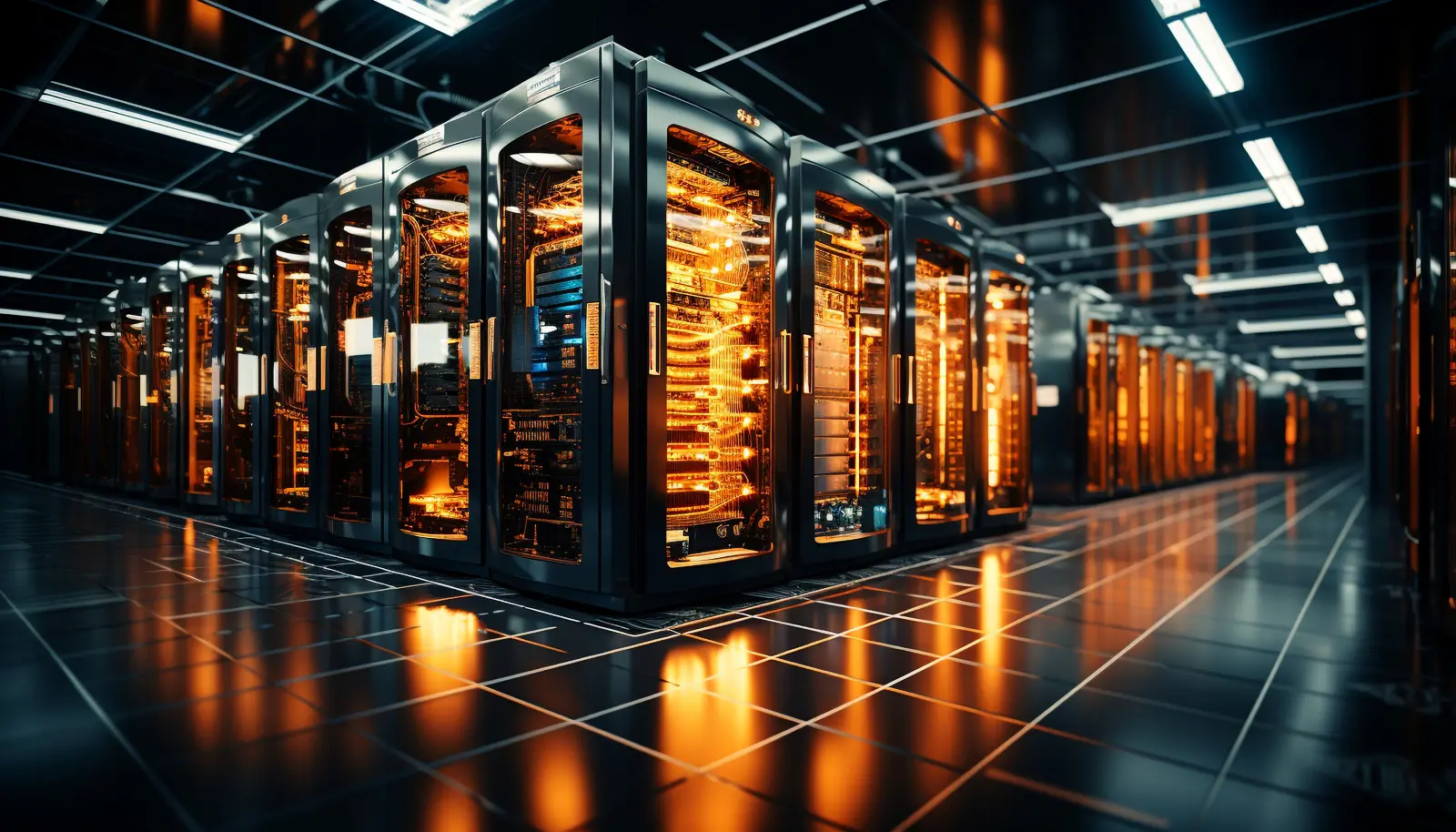

The year 2026 is poised to mark a transformative convergence of artificial intelligence (AI), quantum computing, and Web 4.0 technologies, driving a new era of hyper-automation and presenting significant cybersecurity challenges. This intersection is expected to fundamentally reshape the global economy by enabling intelligent automation of complex workflows, redefining digital interactions, and accelerating innovation cycles across industries.
AI agents will play a central role, automating entire workflows and enabling enterprises to shift from reactive to predictive decision-making by integrating data from multiple sources and employing advanced AI modeling. Quantum computing, while still maturing, is expected to move from theoretical concepts to practical impacts, particularly in the realm of cryptography and cybersecurity, necessitating new defense strategies against quantum-based cyber threats. Meanwhile, Web 4.0 will enhance digital ecosystems through even deeper immersion in augmented reality, decentralized architectures, and enhanced user experiences, creating more interconnected and personalized online environments.
Together, these technologies will enable hyper-automation—where processes are autonomously optimized in real-time—streamlining operations and boosting productivity at scale. However, this rapid technological evolution also raises critical cybersecurity concerns, as new quantum computing capabilities could break existing encryption standards and AI-driven attacks become more sophisticated. Businesses will need to adapt quickly, adopting zero-trust security frameworks, edge AI compute solutions, and quantum-resistant encryption to maintain resilience.
This convergence signals not merely an incremental evolution but a fundamental reshaping of technological infrastructure and market competition, demanding strategic foresight and investment from enterprises worldwide.
Frequently asked questions
What is hyper-automation?
Hyper-automation refers to the autonomous optimization of processes in real-time, streamlining operations and boosting productivity at scale.
How will quantum computing affect cybersecurity?
Quantum computing could break existing encryption standards, necessitating new defense strategies against quantum-based cyber threats.
What role will AI play in the future economy?
AI will automate entire workflows and enable predictive decision-making by integrating data from multiple sources.