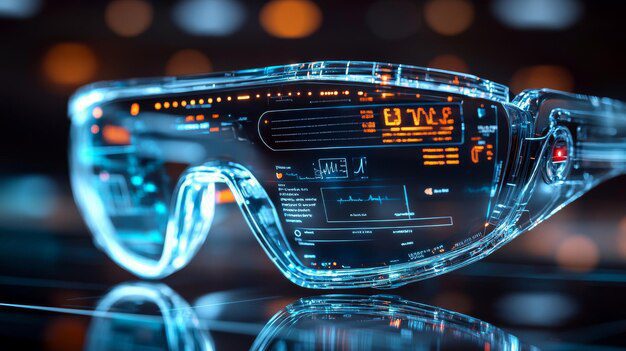
In Nellore, Artificial Intelligence (AI) powered smart glasses were distributed to visually impaired individuals as part of an initiative aimed at enhancing their independence and daily life. These smart glasses leverage AI technology to provide crucial assistance features such as object recognition, face recognition, reading support, and safe navigation. By converting visual information into accessible audio cues or other assistive formats, the glasses help users better understand and interact with their surroundings.
This innovation represents a significant step forward in assistive technology for the visually impaired, enabling greater autonomy and social inclusion. The technology’s ability to identify and communicate essential visual details allows users to navigate public spaces more confidently and perform everyday tasks that would otherwise be challenging. Such advancements highlight the growing role of AI in addressing accessibility issues and improving quality of life for individuals with disabilities.
The smart glasses distributed in Nellore echo global trends seen in AI assistive wearables, which often include integrated cameras and built-in speakers to convert the visual environment into spoken descriptions. These devices are becoming increasingly sophisticated, featuring customizable settings tailored to individual user needs. The deployment of AI smart glasses in Nellore aligns with broader efforts to leverage AI-driven solutions to empower marginalized communities by bridging gaps in accessibility and technology adoption.
Frequently asked questions
What features do the AI smart glasses offer?
The smart glasses offer object recognition, face recognition, reading support, and safe navigation.
How do these glasses assist visually impaired individuals?
They convert visual information into accessible audio cues, helping users understand and interact with their surroundings.