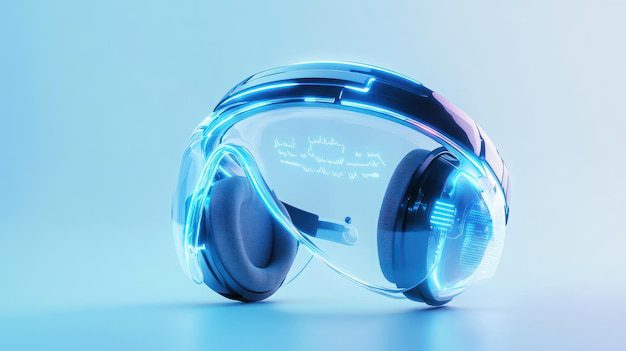
Scientists at Glasgow Caledonian University in Scotland have developed a pioneering AI-powered wearable headset capable of predicting epileptic seizures minutes before they occur. This innovative device monitors brainwave patterns and heart function in real time, enabling it to detect subtle electrical and physiological signals that precede seizures. By providing patients with early warnings—potentially up to half an hour in advance—the headset offers critical time for individuals and their caregivers to prepare and prevent injury. The technology has demonstrated up to 95% accuracy in seizure prediction during tests.
Led by Professor Hadi Larijani, the interdisciplinary research team includes collaborators from the University of Glasgow and the Royal Hospital for Children, Glasgow. Their work aims to empower people living with epilepsy, enhancing their safety and confidence through timely alerts that could transform daily management of the condition. The device is designed as a comfortable wearable similar to a cap, which can be continuously worn to monitor the user’s neurological and cardiac signals.
This development is significant as there are currently no widely available devices that provide advance seizure warnings. By integrating AI to analyze complex biometric data, the headset represents a breakthrough in improving quality of life for epilepsy patients, potentially reducing emergency incidents and hospitalizations. Glasgow Caledonian University’s project is an important example of how AI-driven wearable technology can advance healthcare diagnostics and patient autonomy.
Frequently asked questions
What does the AI-powered headset do?
The headset predicts epileptic seizures by monitoring brainwave patterns and heart function in real time.
How accurate is the seizure prediction technology?
The technology has demonstrated up to 95% accuracy in seizure prediction during tests.
Who led the development of this headset?
The project was led by Professor Hadi Larijani at Glasgow Caledonian University.