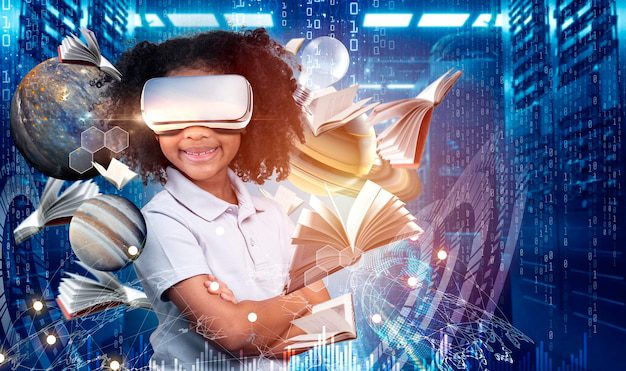
Despite rapid advances in large language models (LLMs) and AI technologies, the role of liberal arts education remains vital and is unlikely to be rendered obsolete by automation. Instead, AI is emerging as a complementary tool that enhances critical thinking, creativity, and human-centric skills—areas where machines currently lack the nuance of human judgment and ethical reasoning. The future of education is envisioned as a hybrid landscape where AI supports educators and learners by automating routine tasks and providing personalized learning experiences, thereby freeing human instructors to focus on cultivating deeper cognitive abilities and interdisciplinary understanding.
AI’s integration into education encourages a shift from rote knowledge acquisition to more dynamic skill-building activities that foster problem solving, emotional intelligence, and adaptability—skills essential for the workforce of tomorrow. By embedding AI tools thoughtfully, educators can equip students to navigate uncertainty and complexity, preparing them for a labor market transformed by automation but still reliant on distinctly human expertise.
Context from recent discussions highlights that AI acts as a force multiplier in education, advancing teaching efficiency and engagement while preserving the liberal arts’ core mission of developing ethical judgment and critical discourse. This balanced synergy points toward an educational paradigm that embraces AI innovation without sacrificing the foundational human elements crucial for societal progress and leadership in the AI era.
Frequently asked questions
How does AI impact the role of educators?
AI supports educators by automating routine tasks and providing personalized learning experiences, allowing them to focus on cultivating deeper cognitive abilities.
What skills does AI help develop in students?
AI fosters problem solving, emotional intelligence, and adaptability—skills essential for the workforce of tomorrow.