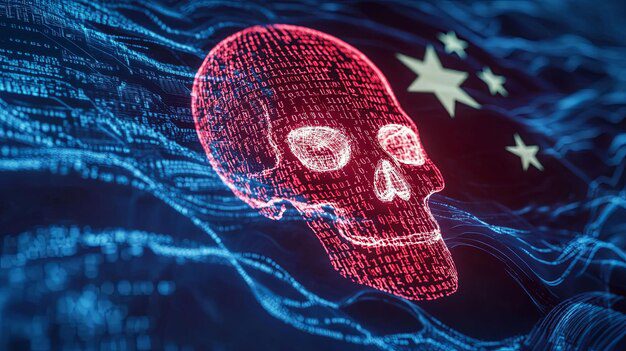
Interpol’s teams based in Singapore are intensifying efforts to tackle a new wave of cybercrimes increasingly amplified by artificial intelligence. Criminal syndicates are now deploying AI-powered techniques such as highly convincing phishing campaigns with perfectly crafted emails and deepfake videos that impersonate government officials. These advanced threats pose unique challenges to law enforcement, requiring Interpol’s cybercrime specialists to enhance their technical capabilities and strategic approaches.
Operating behind the scenes, the groups in Interpol’s high-tech war rooms are adapting their methods to combat the AI-driven evolution of cyberattacks. Their work involves detecting, analyzing, and mitigating threats before they can cause significant harm. This shift towards AI-augmented crime represents a significant escalation in sophistication, enabling criminals to create deceptive content that is harder to identify through traditional means.
Interpol, an intergovernmental organization facilitating police cooperation across 196 member countries, leverages its global network and secure communication channels to coordinate responses to these complex threats. Its work in Singapore exemplifies how international collaboration and innovation in investigative techniques are critical in maintaining cyber resilience.
As AI tools grow more accessible and potent, Interpol’s proactive adaptation underscores the importance of evolving law enforcement capabilities. Their efforts to stay ahead demonstrate how combating “weaponized” AI in cybercrime is a global priority, requiring continuous intelligence sharing and technical innovation to protect security and trust in digital environments.
Frequently asked questions
What techniques are cybercriminals using that involve AI?
Cybercriminals are using AI-powered techniques such as highly convincing phishing campaigns and deepfake videos that impersonate government officials.
How is Interpol adapting to the rise of AI in cybercrime?
Interpol's teams are enhancing their technical capabilities and strategic approaches to combat the AI-driven evolution of cyberattacks.