
In today’s fast-paced world where personalization meets efficiency, home design has evolved beyond traditional interior decorating methods. The days of flipping through countless magazines, cutting out inspiration photos, and struggling to visualize how different elements work together are rapidly fading. Enter artificial intelligence (AI) – a revolutionary technology that’s transforming how we conceptualize, plan, and execute home design projects. This guide will help you master AI-powered home design tools to create stunning, functional living spaces that reflect your personal style while optimizing layout, color schemes, and furniture placement.
The Power and Promise of AI in Interior Design
Creating a cohesive, beautiful living space that balances aesthetics with functionality has traditionally required either professional expertise or years of trial and error. With millions of design combinations possible for any given room, the decision-making process can become overwhelming for homeowners. Here’s where AI becomes a creative partner rather than just a tool, helping to:
- Save time by automating space planning and layout optimization
- Overcome creative blocks when design inspiration runs dry
- Ensure every room has a cohesive, professionally designed appearance
- Tailor design solutions for different room types and family needs
- Maximize space utilization through intelligent furniture placement
- Predict how design choices will look in your actual space before making purchases
Let’s dig deeper into the mechanics, creative workflows, and real-life applications of AI-powered interior design.
How AI-Powered Home Design Tools Work
Modern AI home design platforms found in tools like Planner 5D, Homestyler, SketchUp, and others rely on three core technologies:
-
Computer Vision and Spatial Recognition
Computer vision is the visual “brain” that enables AI to understand room dimensions, existing furniture, architectural features, and lighting conditions. Trained on millions of interior photos and floor plans, it helps the system analyze your space and suggest optimal layouts whether you want modern minimalism for a studio apartment, traditional elegance for a family home, or eclectic bohemian style for a creative workspace.
-
Machine Learning Algorithms
These algorithms learn from existing design trends, user preferences, and successful room combinations. As you interact with suggestions, save favorites, or provide feedback, the system refines its understanding of what works for your style, budget, and lifestyle needs. Over time, the quality and relevance of generated design proposals improve significantly.
-
3D Rendering and Augmented Reality
Advanced AI can create photorealistic 3D visualizations of design concepts, allowing you to see exactly how your space will look before making any purchases. Some platforms even incorporate augmented reality (AR) technology, letting you virtually place furniture and decor items in your actual room using your smartphone camera.
The Step-by-Step Process for AI Home Design Planning
Ready to revolutionize your living space? Here’s a structured approach integrating human creativity with AI intelligence, ensuring designs are both aesthetically pleasing and practically optimized:
Step 1: Define Your Design Objective
Before launching any AI tool, clarify the goals for your space. Are you redesigning a single room? Planning a complete home makeover? Working within a specific budget? Accommodating special needs like pet-friendly materials or child-safe layouts? The more specific your requirements, the more targeted your AI recommendations will be, and the more successful your final design.
Step 2: Select the Right AI Design Platform
Choose a design tool that suits your project scope, technical comfort level, and budget requirements. Some leading options include:
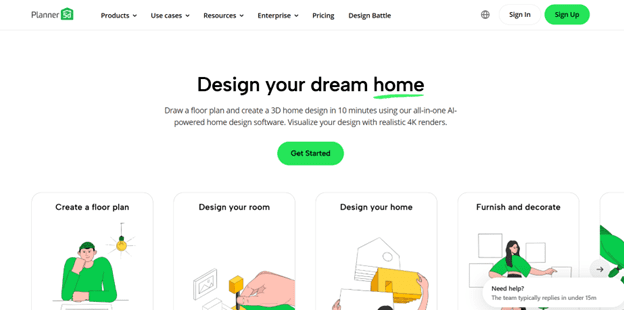
- Planner 5D’s AI Room Designer offers intelligent space planning with automated furniture placement suggestions. The platform uses machine learning to optimize room layouts based on traffic flow and functionality while maintaining aesthetic appeal. It provides both 2D floor planning and 3D visualization capabilities with a vast catalog of furniture and decor items.
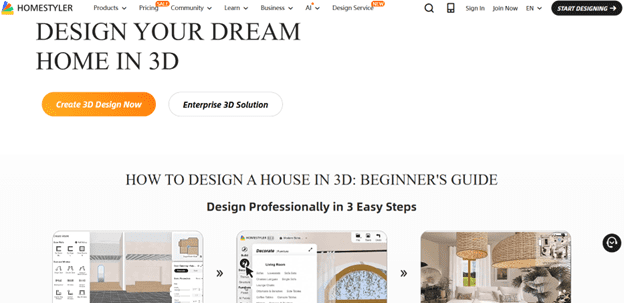
- Homestyler by Autodesk features advanced AI that can analyze photos of your existing space and generate multiple design alternatives. The tool excels at color scheme suggestions and can automatically match furniture styles to create cohesive room designs. Its AR feature allows real-time visualization of proposed changes in your actual space.
- SketchUp with AI Extensions combines professional-grade 3D modeling with intelligent design assistance. The AI can suggest structural modifications, optimize natural lighting, and recommend sustainable material choices. It’s particularly powerful for renovation projects that involve architectural changes.

- IKEA Place AR App uses computer vision to accurately place virtual furniture in your real space, showing exact scale and proportions. The AI recommends complementary products and can generate complete room solutions based on your selected anchor piece, making it excellent for budget-conscious design planning.

- Modsy’s 3D Room Design employs AI to create photorealistic renderings of your space with new furniture and decor. The platform’s algorithms can match your style preferences with appropriate product suggestions and generate multiple design concepts for comparison and refinement.

Step 3: Input Comprehensive Room Information
Provide your chosen AI platform with detailed space information including:
Room dimensions and architectural features (windows, doors, built-ins) Existing furniture you want to keep or work around Lighting conditions throughout different times of day Functional requirements (storage needs, entertainment setup, work areas) Style preferences and inspiration images Budget constraints and timeline considerations
The more comprehensive your input data, the more accurate and personalized your AI-generated design proposals will be.
Step 4: Generate, Review, and Refine Design Options
AI will deliver multiple design concepts almost instantly. Don’t simply accept the first suggestion – review all options, analyze different approaches, and identify elements you like from various proposals. Most AI platforms allow you to mix and match elements from different designs, creating hybrid solutions that better match your vision.
Step 5: Optimize for Room Function and Flow
Tailor the design based on how you actually use the space. A family living room needs different furniture arrangements than a formal entertaining space; a home office requires different lighting considerations than a bedroom. Most AI tools can customize layouts when you specify primary room functions and daily usage patterns.
Step 6: Add Personal Style and Character
AI provides excellent foundational design, but your personal touches make a space truly feel like home. Incorporate family photos, travel souvenirs, artwork, or inherited pieces that hold special meaning. Sometimes, replace the suggested generic decor with items that reflect your personality and life experiences.
Step 7: Create Implementation Timeline and Budget
Many AI tools can generate shopping lists, timeline suggestions, and budget estimates for your design plan. Use these insights to phase your project appropriately, prioritizing high-impact changes first and spreading costs over time if needed.
The Art of AI Design Prompts: Examples for Different Spaces
To maximize your results and speed up the design process, here are practical prompt examples tailored for various home design scenarios:
- Living Room Redesign: “Create a cozy, family-friendly living room design for a 15×12 space with a fireplace and large south-facing windows. Include seating for 6 people, storage for toys and books, and a modern farmhouse aesthetic within a $3,000 budget.”
- Small Apartment Kitchen: “Design an efficient galley kitchen layout for a 8×10 space maximizing storage and counter space. Include breakfast bar seating for 2, modern appliances, and a bright, airy color scheme suitable for rental restrictions.”
- Master Bedroom Retreat: “Generate a relaxing master bedroom design emphasizing sleep quality and organization. Include a king bed, reading nook, walk-in closet optimization, and spa-like atmosphere with calming color palette.”
- Home Office Setup: “Plan a productive home office in a spare bedroom with excellent lighting for video calls, ergonomic workspace for 8+ hours daily use, and storage for files and office supplies. Style should be professional but warm.”
- Open Floor Plan: “Create cohesive design for open concept living/dining/kitchen area defining separate zones while maintaining flow. Include family seating, dining for 8, and kitchen island. Style preference: contemporary transitional.”
The more specific details you provide about space dimensions, functional needs, style preferences, existing constraints, and budget parameters, the better your AI-generated design solutions will be.
Advanced AI Strategies For Design Success
- Style Analysis: Many AI platforms can analyze photos of rooms you admire and identify specific design elements, color palettes, and furniture styles to replicate similar aesthetics in your space.
- Seasonal and Trend Integration: AI increasingly incorporates current design trends and seasonal considerations. You can request designs that reflect “2025 color trends” or “transitional fall decor updates” to keep your space contemporary.
- Sustainability Focus: Specify eco-friendly preferences, and AI can recommend sustainable materials, energy-efficient lighting, and furniture made from recycled or responsibly sourced materials.
- Multi-Room Coordination: Advanced tools can ensure design consistency across multiple rooms, creating cohesive color schemes and style elements that flow throughout your entire home.
Benefits of AI-Generated Home Designs (and What to Watch Out For)
Major advantages:
- Consistent professional-quality design recommendations
- Rapid generation of multiple design alternatives
- Accurate space planning and furniture placement
- Cost estimation and budget optimization
- Virtual visualization before purchasing
- Access to vast furniture and decor databases
But be careful:
AI systems learn from existing design databases, which means they may sometimes suggest overly trendy elements that quickly become dated, lack understanding of your specific lifestyle needs, or recommend generic solutions that don’t reflect your personality. Always review suggestions critically and customize based on how you actually live in your space.
Humanizing AI Design: Key Techniques to Enhance Personal Connection
Personal Memory Integration: Incorporate meaningful objects, family heirlooms, or travel souvenirs that AI wouldn’t know to include but that make your space uniquely yours.
Lifestyle Adaptation: Modify AI suggestions based on real daily routines – if you eat breakfast standing at the counter, ensure the kitchen design accommodates this habit rather than forcing a formal dining setup.
Sensory Considerations: Add elements that engage multiple senses – textured fabrics, aromatic plants, or materials that feel good to touch – details that AI might overlook but significantly impact daily comfort.
Cultural and Regional Elements: Incorporate design elements that reflect your cultural background or regional preferences that AI databases might not emphasize but are important to your sense of home.
Common Mistakes to Avoid
- Accepting AI designs without considering actual lifestyle and usage patterns
- Ignoring room-specific lighting requirements and natural light changes throughout the day
- Forgetting to account for storage needs and daily clutter in pristine AI renderings
- Over-designing spaces without leaving room for personal items and lived-in comfort
- Neglecting to verify furniture dimensions and doorway accessibility for delivery and placement
- Focusing solely on aesthetics while ignoring maintenance requirements and durability needs
The Future: How AI Will Shape Interior Design
With each advancement, AI tools are becoming more sophisticated at understanding not just what looks good, but how people actually live in their spaces. Real-time data from smart home devices, seasonal preference learning, and behavioral pattern recognition will allow AI to recommend designs that adapt to your changing needs.
Imagine AI systems that can suggest furniture rearrangements based on how you use your space, recommend lighting changes for different activities throughout the day, or even propose seasonal decor updates that reflect your mood and lifestyle changes. As computer vision improves, AI will provide increasingly accurate assessments of how natural light, room acoustics, and spatial flow affect daily comfort and functionality.
Frequently asked questions
How does AI help in home design?
AI assists in home design by automating space planning, overcoming creative blocks, and tailoring solutions for specific room types and family needs.
What technologies do AI home design tools rely on?
AI home design tools rely on computer vision, machine learning algorithms, and 3D rendering technologies to create optimized and personalized designs.