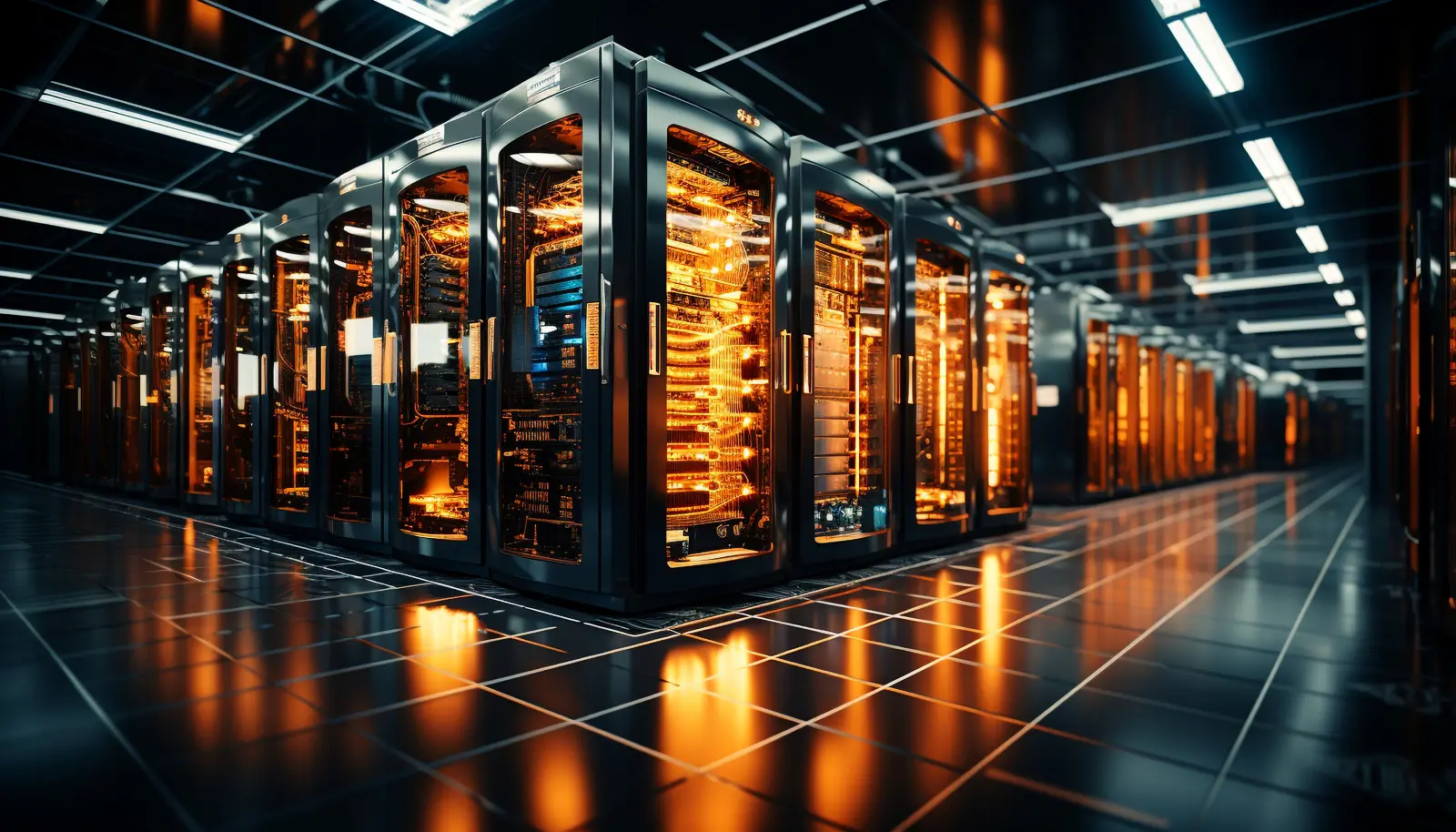
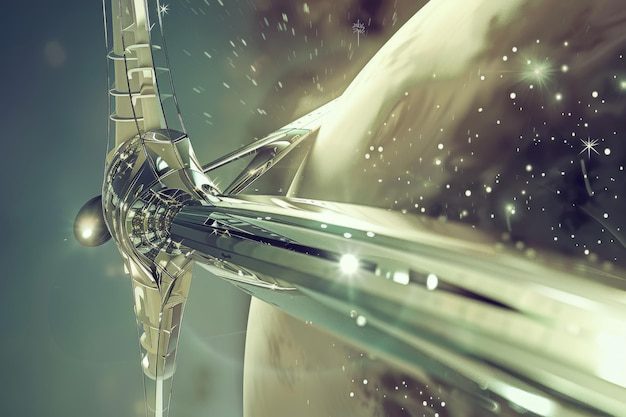
Advances in artificial intelligence are driving significant improvements in spacecraft propulsion systems, with experts exploring how machine learning and AI techniques can optimize design and performance. These innovations promise to enhance the efficiency of current propulsion technologies and pave the way for next-generation rocket engines, including those powered by nuclear and fusion energy sources. AI enables rapid analysis and simulation of complex spacecraft propulsion parameters, allowing engineers to identify optimal configurations and materials that maximize thrust while minimizing fuel consumption and weight. This optimization can significantly extend mission durations and reduce costs for space travel.
Beyond incremental improvements, AI’s role could be transformative in enabling nuclear thermal and fusion propulsion concepts that were previously too complex to develop using traditional engineering methods alone. Nuclear-powered rockets offer much higher specific impulse compared to chemical engines, translating into faster transit times and greater payload capacities for deep space missions. AI’s ability to model, control, and adapt propulsion systems in real time is critical to safely harnessing these advanced technologies, which involve challenges like managing extreme heat and radiation.
While operational nuclear thermal rockets have not yet been deployed, AI-driven design and testing accelerate progress in this direction, potentially ushering in a new era of space exploration. By integrating AI into spacecraft propulsion development, the aerospace industry aims to overcome longstanding technical barriers, improve sustainability, and expand humanity’s reach beyond the solar system.
Frequently asked questions
How is AI improving spacecraft propulsion?
AI is optimizing design and performance of spacecraft propulsion systems, enhancing efficiency and enabling complex analyses.
What advantages do nuclear-powered rockets have?
Nuclear-powered rockets provide much higher specific impulse than chemical engines, allowing for faster transit times and greater payload capacities.