The CEO of the largest public hospital system in the United States has expressed readiness to replace radiologists with artificial intelligence (AI) for certain imaging tasks, pending regulatory changes. This statement underscores the growing confidence in AI’s ability to perform diagnostic imaging roles traditionally held by radiologists, highlighting a significant shift in healthcare delivery. The executive emphasized the need for updates to state regulations, particularly in New York, to allow AI to independently read medical images without radiologist oversight, pointing to a future where autonomous AI systems could handle specific diagnostic workflows.
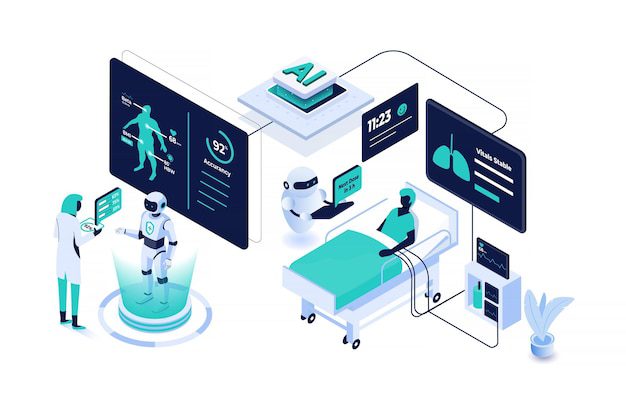
This move reflects a broader trend in healthcare where AI is increasingly integrated to alleviate workforce shortages, enhance efficiency, and reduce diagnostic workloads. Radiology, often reliant on expert interpretation of complex medical images, is perceived as a prime area where AI can offer substantial support or replacement in routine or high-volume diagnostic tasks. While some leaders in AI development, such as Anthropic’s CEO, have also suggested AI’s potential to supplant radiologists, the healthcare community remains cautiously optimistic, acknowledging challenges related to AI adaptability, regulatory compliance, and clinical acceptance.
Contextually, AI in radiology is often viewed more as an augmentative tool that can triage cases, prioritize emergencies, and reduce radiologists’ workload rather than fully replace human expertise. However, with continued advancements and regulatory evolution, autonomous AI applications could become a transformative force in diagnostic medicine, enabling faster, scalable, and cost-effective healthcare delivery.
Frequently asked questions
What is the CEO's stance on AI in radiology?
The CEO expressed readiness to replace radiologists with AI for certain imaging tasks, pending regulatory changes.
What challenges does the healthcare community see with AI in radiology?
The healthcare community acknowledges challenges related to AI adaptability, regulatory compliance, and clinical acceptance.