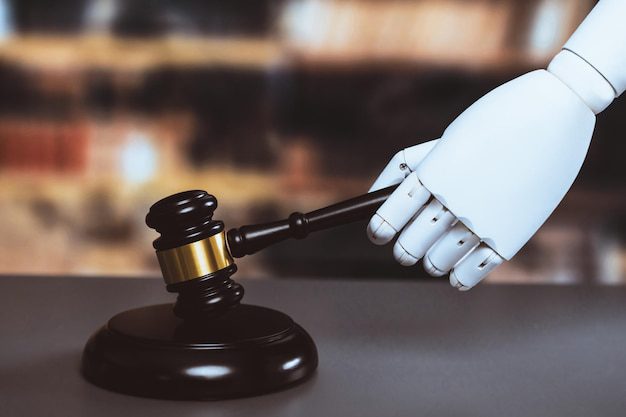
Chicken Soup for the Soul, the publisher behind the popular inspirational book series with over 500 million copies sold worldwide, has filed a lawsuit against several major technology companies. The suit, filed in a California federal court, alleges that companies including Apple, Google, Nvidia, Meta Platforms, OpenAI, Anthropic, Perplexity AI, and Elon Musk’s xAI used unauthorized copies of its books to train their AI models. The publisher claims these companies downloaded pirated copies from so-called “shadow libraries” without permission to feed their artificial intelligence systems. This unauthorized use of copyrighted content to create AI chatbots raises significant legal and ethical questions over data sourcing, intellectual property rights, and the permissible scope of AI training materials. The case highlights growing friction between original content creators and tech firms leveraging vast datasets to develop and improve AI systems. Given the prominence of the plaintiffs’ content and the involvement of key industry players, this lawsuit could set important precedents regarding content licensing and AI development practices. It also underscores broader industry challenges as stakeholders navigate the balance between innovation and respecting creators’ rights in the rapidly evolving AI landscape. This legal action illustrates the increasing scrutiny on how AI models are trained and the demand for clearer standards around data usage in AI training pipelines.
Frequently asked questions
What is the basis of the lawsuit filed by Chicken Soup for the Soul?
The lawsuit claims that several tech companies used unauthorized copies of its books to train their AI models, downloading pirated copies from shadow libraries.
Which companies are involved in the lawsuit?
The lawsuit names major companies including Apple, Google, Nvidia, Meta Platforms, OpenAI, Anthropic, Perplexity AI, and Elon Musk’s xAI.
What broader issues does this lawsuit highlight?
The case underscores significant legal and ethical questions regarding data sourcing, intellectual property rights, and the balance between innovation and respecting creators’ rights.