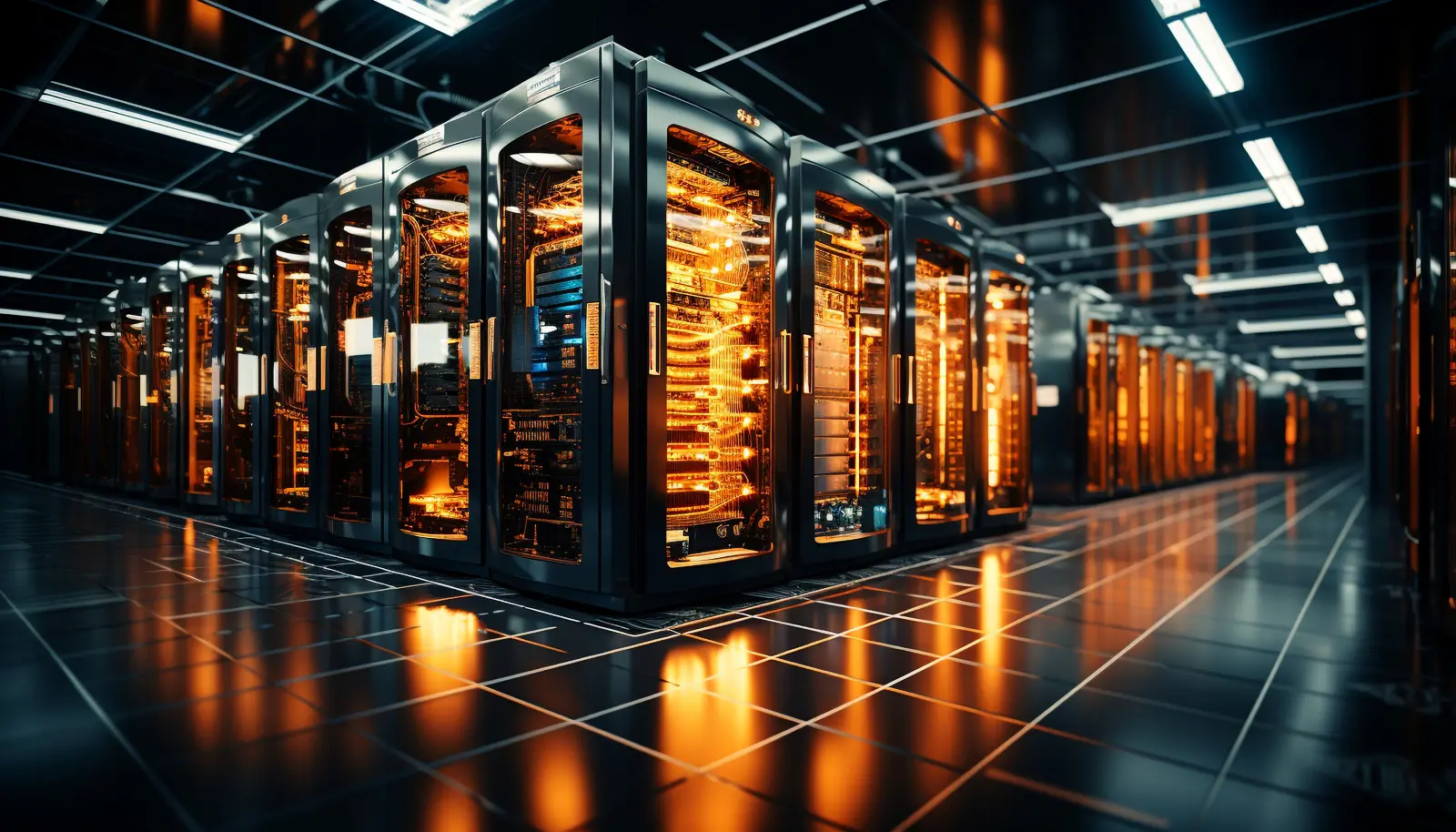

Bitcoin miners are facing mounting profitability pressures amid the ongoing crypto winter, prompting a strategic shift towards artificial intelligence (AI) computing. The downturn in cryptocurrency markets has squeezed margins for miners, traditionally relying on Bitcoin token minting, leading many to repurpose their existing data centers and infrastructure to support AI workloads. This transition reflects a broader trend of bitcoin mining companies evolving into AI infrastructure providers, with some firms announcing multibillion-dollar contracts and long-term deals to host AI applications.
For example, Bitfarms Ltd. recently revealed plans to phase out its Bitcoin mining operations in favor of AI data center development by 2027, underscoring how AI computing delivers significantly greater value per unit of energy compared to cryptocurrency mining. Investors are increasingly focused on these AI ventures rather than their legacy mining businesses, signaling a decoupling between Bitcoin prices and the stock valuations of publicly traded mining companies.
This pivot is underpinned by the fact that Bitcoin mining infrastructure—rich in specialized computing power and large-scale energy resources—provides a natural foundation for high-performance computing (HPC) demands of AI systems. Notably, companies like Terawulf are securing decade-long AI hosting deals, and emerging players spun out from mining operations are positioning themselves squarely within the expanding AI ecosystem.
These developments illustrate the growing convergence between cryptocurrency mining and AI, highlighting how companies are leveraging existing assets to adapt amid market challenges while capitalizing on the surge in AI-driven computing demand.
Frequently asked questions
How are Bitcoin miners adapting to the current market conditions?
Bitcoin miners are repurposing their existing data centers and infrastructure to support AI workloads amid the ongoing crypto winter.
What is the significance of the shift from Bitcoin mining to AI?
This shift reflects a broader trend of bitcoin mining companies evolving into AI infrastructure providers, leveraging their existing assets to capitalize on the surge in AI-driven computing demand.