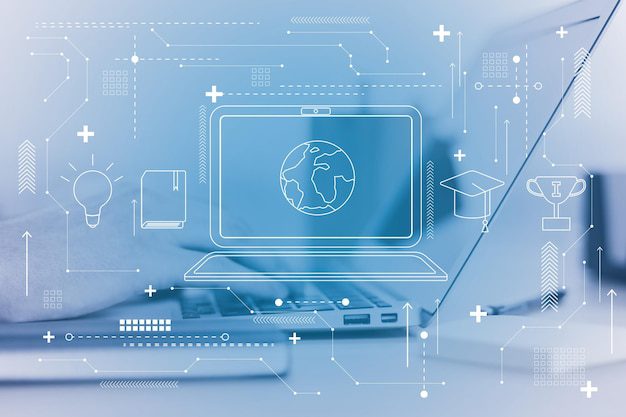
The opinion piece argues for the crucial integration of artificial intelligence (AI) education into school curricula, particularly in the context of new school construction projects like West High School. It emphasizes that equipping students with AI literacy and skills early on is essential not only to prepare them for future job markets but also to foster responsible use of AI technologies. Without deliberate efforts to incorporate AI learning, there is a risk that disparities in access to AI education could widen existing educational divides, advantaging students in better-resourced or more progressive districts while leaving others behind.
Experts highlight that AI in education can offer adaptive learning experiences tailored to individual needs, assist students with learning differences, and relieve teachers from routine tasks to focus on personalized instruction. However, many current school systems lack formal AI education programs and adequate teacher training, which further exacerbates inequities. Research shows suburban and low-poverty schools more frequently provide AI training than urban or high-poverty districts, raising concerns about equitable access.
Integrating AI education into new school frameworks creates an opportunity to establish inclusive programs that bridge these gaps. This approach aligns with broader educational goals of fostering critical thinking and digital literacy in a technology-driven future. Properly managed AI education can empower a diverse student population to harness AI responsibly and effectively, preventing it from becoming a source of new educational inequality.
Frequently asked questions
Why is AI education important?
AI education is essential to prepare students for future job markets and foster responsible use of AI technologies.
What are the risks of not incorporating AI education?
Without AI education, disparities in access could widen, advantaging students in better-resourced districts while leaving others behind.
How can AI education benefit students?
AI in education can provide adaptive learning experiences, assist students with learning differences, and relieve teachers from routine tasks.