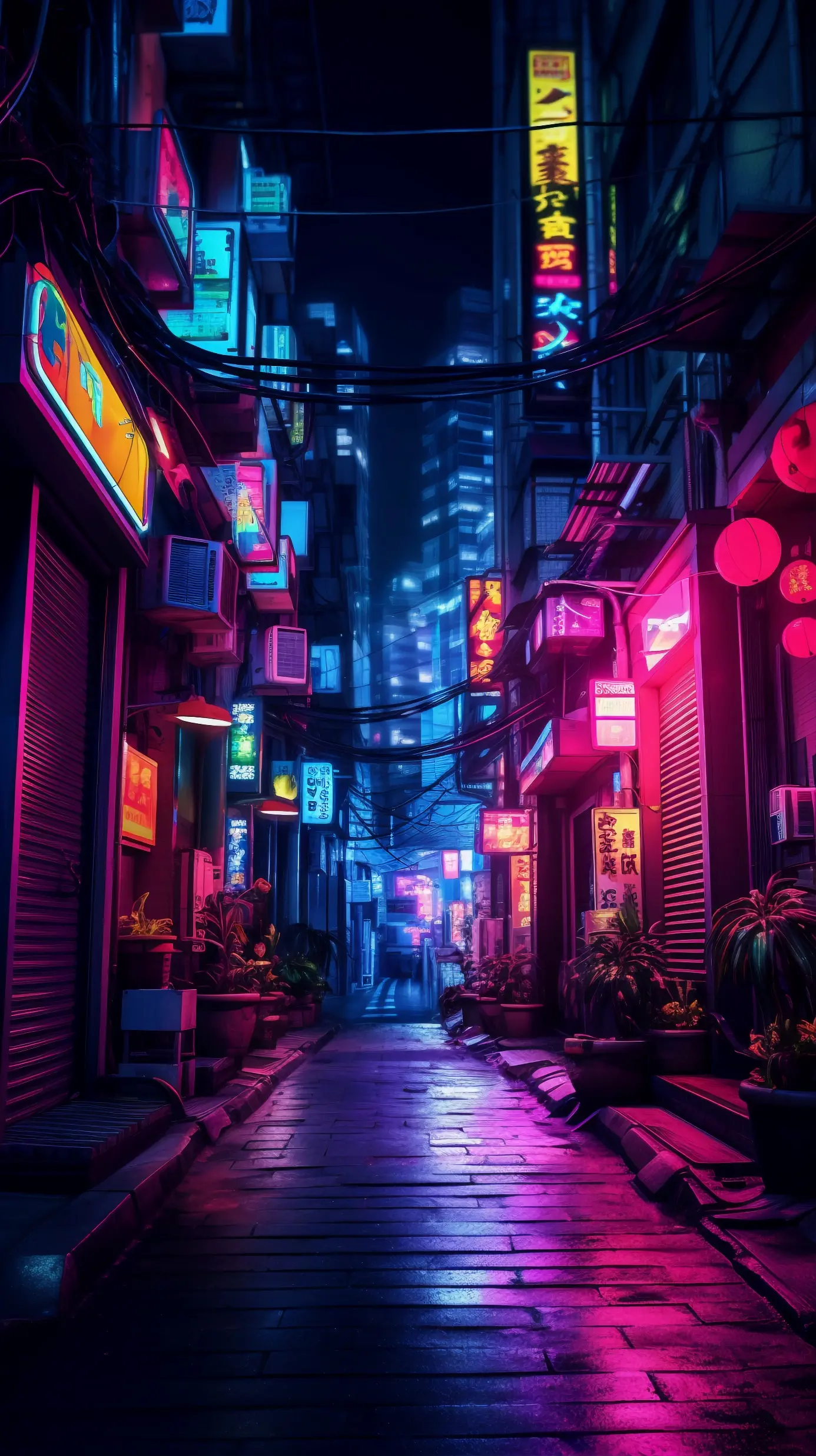

S-Game Studio, the developer behind the upcoming action-RPG Phantom Blade Zero, has publicly distanced itself from the use of Nvidia’s controversial DLSS 5 AI upscaling technology. Although initially listed among games adopting DLSS 5, which utilizes generative AI to enhance visual performance, S-Game Studio reversed course, expressing concern that such AI-driven methods risk undermining the original creative intent of their artists. The studio emphasized a strict commitment to preserving handcrafted, original visuals, rejecting any AI processing that would alter the game’s artistic vision.
This stance is notable amid growing debates on the role of generative AI in gaming, particularly around balancing technological innovation with artistic authenticity. Despite Nvidia’s promotion of DLSS 5 as a cutting-edge solution for improved graphics via advanced AI upscaling, S-Game’s decision underscores a cautious approach toward AI integration when it potentially compromises bespoke game design. Phantom Blade Zero’s environment is manually created based on real locations, further reinforcing the developers’ preference for traditional, non-AI-assisted artistry.
S-Game Studio’s position reflects a broader conversation in the gaming industry about how AI technologies should be ethically and creatively employed. While many studios embrace tools like DLSS 5 to improve performance and visuals, Phantom Blade Zero acts as a counterpoint, highlighting the value of maintaining pure, artist-driven visual identities in games. This move could influence other developers weighing AI’s place in their projects.
Frequently asked questions
Why did S-Game Studio reject DLSS 5?
S-Game Studio expressed concern that AI-driven methods risk undermining the original creative intent of their artists.
How does Phantom Blade Zero's development approach differ from other games?
Phantom Blade Zero's environment is manually created based on real locations, emphasizing a preference for traditional, non-AI-assisted artistry.