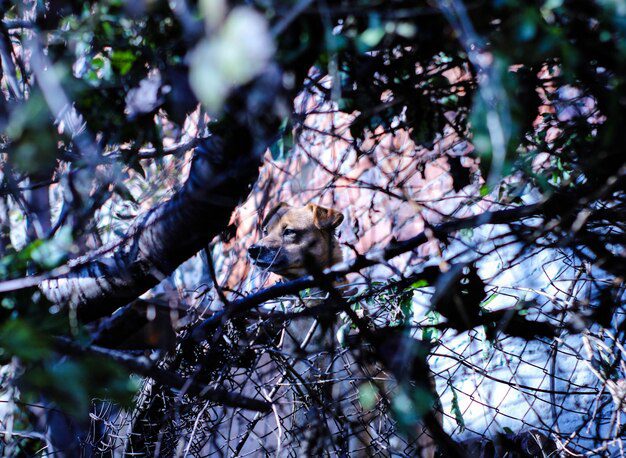
In Wayanad, Kerala, tensions between local residents and plantation staff have escalated due to increasing threats from wildlife, prompting residents to physically lock plantation workers inside as a protest against perceived ineffective protection from wildlife incursions. This incident underscores a growing conflict in the region, which is a biodiversity hotspot facing rising encounters with animals like elephants, tigers, and leopards. Recent data indicates an upsurge in these interactions, some resulting in injuries and fatalities.
The conflict reflects broader challenges in managing human-wildlife coexistence in ecologically sensitive zones. To address this, experts and conservationists are advocating for the integration of artificial intelligence (AI) technologies such as large language models (LLMs) and AI-powered ecological monitoring. These tools can analyze environmental data and assess risks, enabling better prediction of wildlife movement patterns and potential conflict zones. IoT sensors, drones, and camera traps coupled with AI algorithms create dynamic risk heatmaps and early warning systems, aimed at reducing dangerous encounters and helping communities and authorities make informed decisions.
Such AI-driven approaches offer a promising strategy for balancing conservation goals with local livelihoods and safety. They exemplify how technology could transform wildlife management, offering data-informed solutions to minimize human-wildlife clashes and protect both people and animals in sensitive regions like Wayanad. This incident highlights the urgent need for improved monitoring and collaboration between stakeholders supported by innovative AI applications.
Frequently asked questions
What incident occurred in Wayanad?
Residents locked plantation staff inside as a protest against increasing wildlife threats.
What wildlife is causing issues in Wayanad?
The region is facing rising encounters with animals like elephants, tigers, and leopards.
How can AI help in managing wildlife conflicts?
AI technologies can analyze environmental data, predict wildlife movement patterns, and create early warning systems.