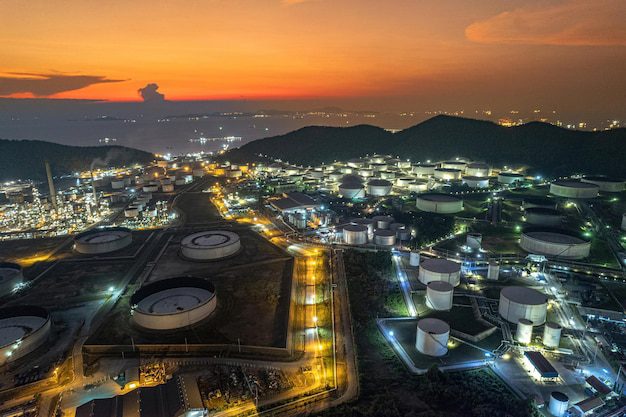
Southeast Asian countries are reassessing nuclear power as a strategic energy source to support the rapidly growing demand from AI-focused data centers. This renewed interest is driven by the region’s ambition to compete as an AI hub while ensuring a stable, high-capacity power supply amid global energy uncertainties, including disruptions caused by conflicts such as the war in Iran. Several nations in Southeast Asia are reviving previously shelved nuclear energy projects, with projections suggesting that nearly half of the region could utilize nuclear power by the 2030s. For instance, the Philippines, which built a nuclear plant in the 1970s but never activated it, has launched a new atomic energy regulatory authority aimed at integrating nuclear power into its energy mix. Malaysia, aspiring to become a leading AI computing hub, is actively developing data centers that require reliable and substantial power sources. The push towards nuclear energy aligns with efforts to supply these data centers sustainably and efficiently, as traditional energy sources may fall short of meeting the high and consistent electricity demands associated with AI workloads. Nuclear energy offers a potential solution that combines large-scale capacity with lower carbon emissions, supporting both economic and environmental goals. This shift reflects Southeast Asia’s commitment to advancing its digital infrastructure while addressing future energy security and sustainability challenges inherent to AI-driven growth.
Frequently asked questions
Why are Southeast Asian countries revisiting nuclear power?
Southeast Asian countries are reassessing nuclear power to support the growing demand from AI-focused data centers and ensure a stable power supply.
What is the significance of nuclear power for AI data centers?
Nuclear energy provides a reliable and substantial power source necessary to meet the high electricity demands associated with AI workloads.