
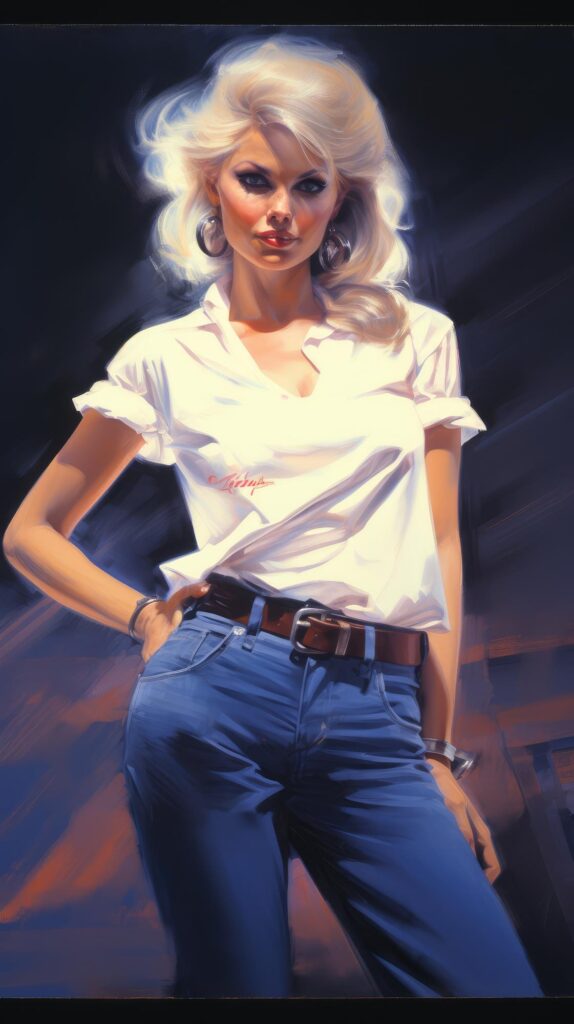
Taylor Swift has taken legal steps to protect her voice and likeness amid growing concerns about AI misuse, particularly deepfake technology. On April 24, 2026, Swift’s company filed three trademark applications with the U.S. Patent and Trademark Office. Two of the filings cover sound trademarks of her voice saying the phrases “Hey, it’s Taylor Swift,” and “Hey, it’s Taylor.” The third application seeks to trademark a visual image of Swift onstage, holding a pink guitar and wearing a multicolored iridescent bodysuit with silver boots. These moves position Swift alongside other celebrities, such as actor Matthew McConaughey, who have filed similar trademarks to combat unauthorized AI-generated reproductions.
The rise of AI deepfakes—synthetic audio and video fabrications that can mimic real people—poses risks of unauthorized usage and reputational harm. Intellectual property attorneys note that trademarking specific vocal phrases and distinctive images can provide an additional layer of legal protection, potentially deterring AI-driven exploitation. However, the use of trademark law to regulate a celebrity’s spoken voice remains a relatively novel and untested approach in courts. Swift’s proactive trademark filings signal a broader industry trend as public figures seek to safeguard their identities and creative output in an era of increasingly accessible AI technology. This development underscores the growing need for legal frameworks to address the complex intersection of AI, intellectual property, and personal rights.
Frequently asked questions
What specific phrases are included in Taylor Swift's trademark applications?
The trademark applications include sound trademarks of her voice saying the phrases 'Hey, it’s Taylor Swift,' and 'Hey, it’s Taylor.'
Why is Taylor Swift filing these trademark applications?
Swift is taking legal steps to protect her voice and likeness amid concerns about AI misuse, particularly deepfake technology.