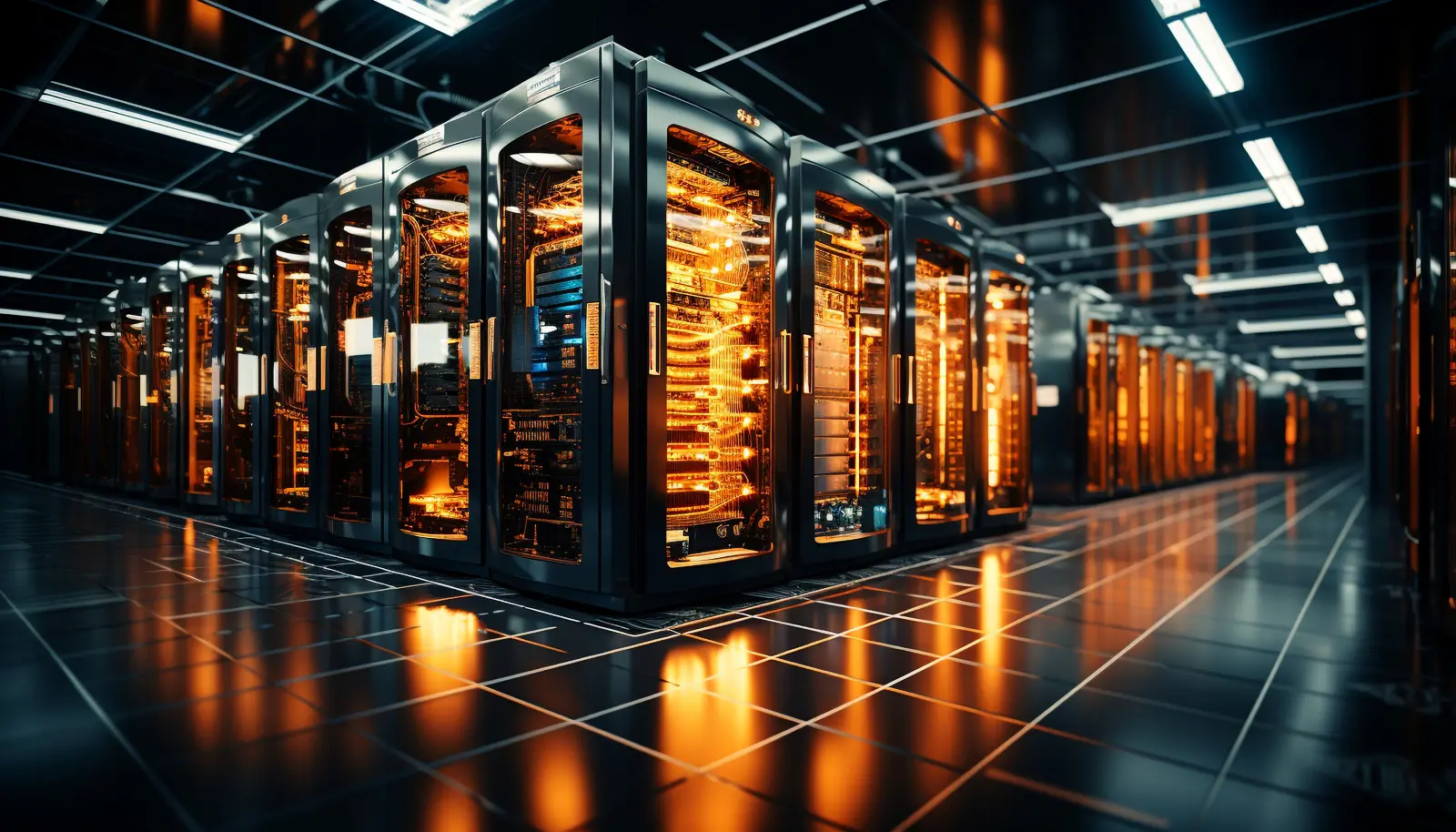
The rapid growth of AI technologies is driving a significant increase in global energy consumption, particularly in data centers tasked with running power-intensive AI workloads. As AI models become more complex and their data processing requirements expand exponentially, this surge in demand is straining energy infrastructure and accelerating an emerging energy crisis. Data centers, which have historically maintained relatively stable power use through efficiency improvements, now face challenges since AI workloads rely on high-performance GPUs that consume far more electricity. The International Energy Agency reported that AI-driven data centers alone consumed about 415 terawatt-hours of electricity in 2024, emphasizing the scale of the issue.
To address this crisis, industries are turning to innovative sustainable power solutions and advanced energy management strategies. AI itself is being leveraged to optimize energy use within data centers, identifying inefficiencies and dynamically adjusting power consumption in real time. Additionally, new data center designs are prioritizing power efficiency from the outset, and companies are increasingly focusing on integrating renewable energy sources. Some pioneering approaches include developing AI architectures that require significantly less energy, such as hybrid neuro-symbolic AI systems, which promise both lower power use and improved reliability.
The AI energy crisis is reshaping energy markets and sustainability strategies globally. It highlights the urgent need for breakthroughs not only in AI algorithms but also in how energy is generated, managed, and consumed to support the expanding AI-driven economy without compromising climate goals.
Frequently asked questions
What is the impact of AI on energy consumption?
The rapid growth of AI technologies is driving a significant increase in global energy consumption, particularly in data centers running power-intensive AI workloads.
How are industries responding to the AI energy crisis?
Industries are turning to innovative sustainable power solutions and advanced energy management strategies to address the energy crisis.