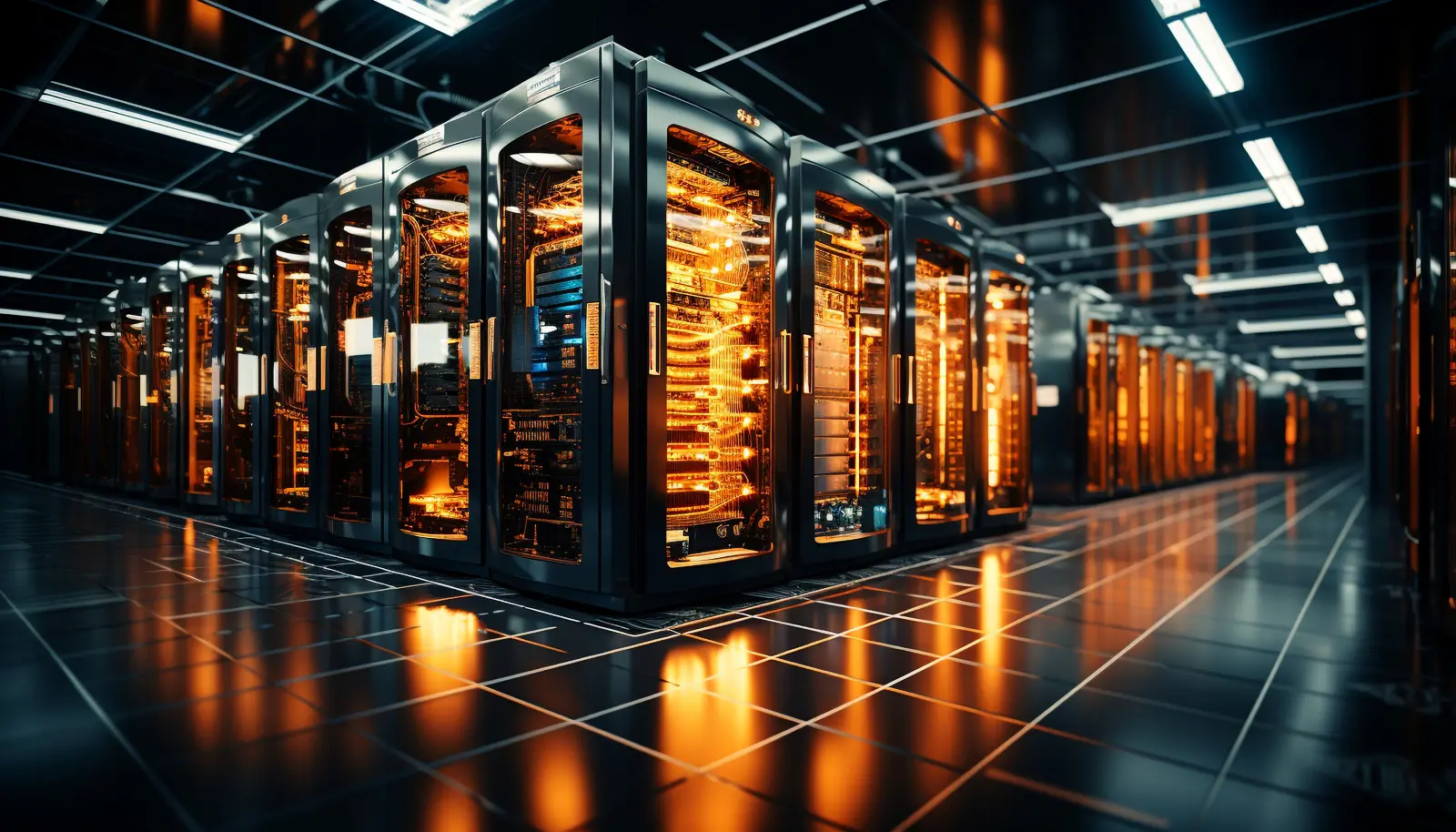
Philippine energy companies face significant challenges in maintaining a reliable power grid due to extreme weather events, aging infrastructure, and unplanned outages. These factors contribute to frequent power interruptions that disrupt economic activities and everyday life. To address these issues effectively, adopting artificial intelligence (AI) technologies has become essential for the country’s energy sector.
AI solutions can optimize grid management by predicting equipment failures, balancing supply and demand dynamically, and integrating diverse energy sources more efficiently. This helps prevent outages and improve system resilience amid increasing climate-related risks. With the rapid growth of AI-driven data centers and digital services in the Philippines, energy demand is expected to rise sharply, adding pressure on the existing grid infrastructure. AI’s ability to forecast energy consumption patterns and automate control functions enables utilities to modernize operations while minimizing waste and costs.
Incorporating AI also aligns with broader regional efforts across Asia-Pacific to develop smart, interconnected power networks resilient to future disruptions. By embracing these technologies, Philippine utilities can enhance grid reliability, support sustainable development, and accommodate the evolving energy landscape. This transition not only sustains power availability but also supports climate goals by fostering cleaner, more adaptive energy systems.
Overall, leveraging AI is crucial for future-proofing the Philippine power grid in the face of growing technical and environmental challenges.
Frequently asked questions
What challenges do Philippine energy companies face?
Philippine energy companies face significant challenges due to extreme weather events, aging infrastructure, and unplanned outages.
How can AI benefit the Philippine energy sector?
AI can optimize grid management, predict equipment failures, and improve system resilience amid increasing climate-related risks.
Why is it important for Philippine utilities to adopt AI?
Adopting AI is important for enhancing grid reliability, supporting sustainable development, and accommodating the evolving energy landscape.