
Kimberly Marasco, a Florida-based poet, is suing pop icon Taylor Swift for $25 million, alleging copyright infringement of her poetry, which she claims was copied in Swift’s song lyrics and visual works across multiple albums. Uniquely, Marasco’s legal team has presented AI-generated exhibits intended to demonstrate that Swift unlawfully used her original poetic content. However, Swift’s lawyers strongly dispute these claims, dismissing the lawsuit as frivolous and harassing. They argue that the lawsuit targets abstract concepts and words that cannot be legitimately copyrighted, challenging the very basis of Marasco’s copyright infringement allegations.
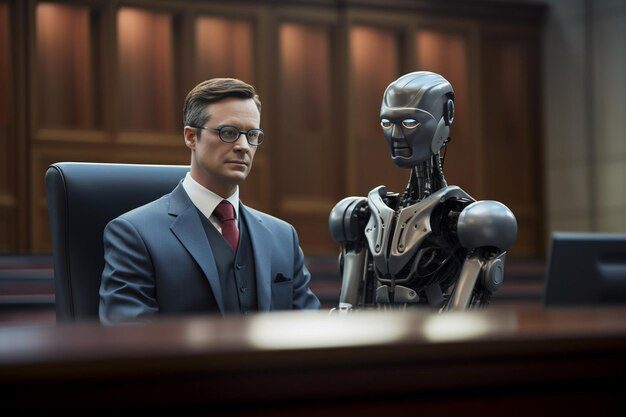
This case underscores the growing intersection of artificial intelligence and intellectual property law, particularly how AI is being leveraged to support or contest creative ownership claims. Despite the innovative use of AI-generated evidence, the legal community remains cautious about how such technology is applied in copyright disputes, as courts continue to navigate the fine line between inspiration and infringement. Taylor Swift, who has successfully defended similar claims in the past, is seeking dismissal of the lawsuit.
The controversy highlights the broader challenges artists and legal professionals face as AI tools become increasingly integrated into the creative process and courtroom strategies. It also raises important questions about the boundaries of copyright protection in the digital age, where AI may blur the lines of originality and authorship.
Frequently asked questions
What is Kimberly Marasco suing Taylor Swift for?
Kimberly Marasco is suing Taylor Swift for $25 million, alleging copyright infringement of her poetry.
How are AI tools being used in this lawsuit?
Marasco's legal team has presented AI-generated exhibits to demonstrate that Swift unlawfully used her original poetic content.
What do Swift's lawyers argue about the lawsuit?
Swift's lawyers argue that the lawsuit targets abstract concepts and words that cannot be legitimately copyrighted.