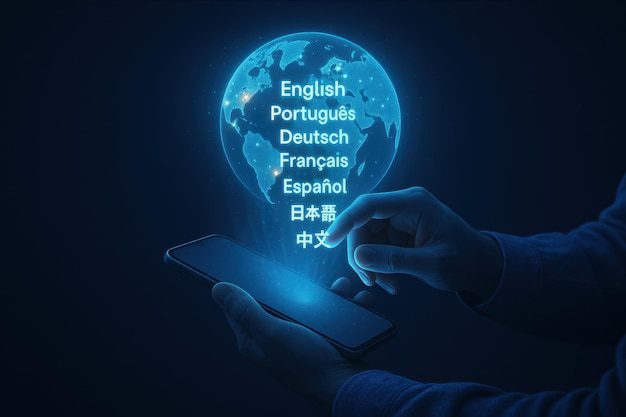
As the Philippines moves forward with discussions on its National Education Plan 2026-2035, there is increasing emphasis on strengthening foundational learning, especially literacy, to address persistent education gaps and better prepare students for the future. However, evolving demands in the global economy call for a broader understanding of language skills—not just as a basic learning foundation but as critical workforce capabilities that enhance employability, adaptability, and career growth in an AI-driven world. Recent research, including the TOEIC Global English Skills Report by Educational Testing Service (ETS), highlights that employers across numerous countries increasingly view English proficiency as essential to productivity and organizational success. In the Philippines, 90% of employers surveyed see English skills as critical, with 92% recognizing their growing importance over the past five years. This aligns with the National Education Plan’s focus on expanding literacy initiatives beyond basic reading and writing to include communicative competence, digital language literacy, and multilingual capabilities. Such an expanded approach is vital to enabling effective use of AI tools and participation in global value chains. Investments in educational technology that integrate adaptive literacy, assessment, and digital skills will be key to scaling language training to meet the new demands of the AI era workplace, ultimately supporting the Philippines’ economic competitiveness and workforce readiness in a digital-driven future.