Overview
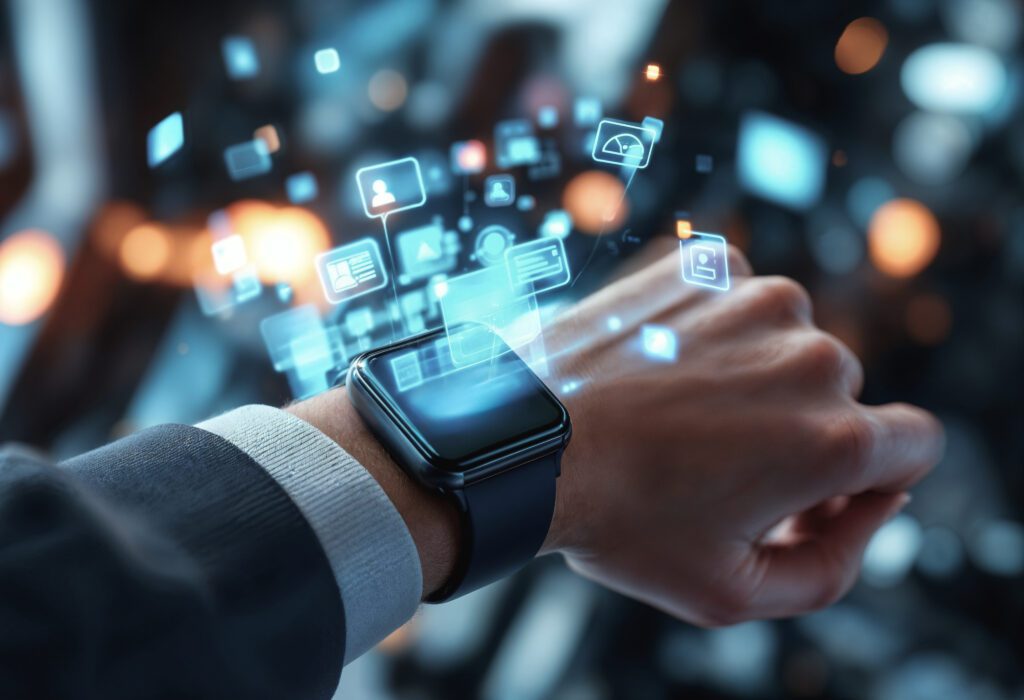
Tech industry observers are buzzing about OpenAI’s alleged development of a revolutionary AI-powered device that could challenge the smartphone’s decade-long dominance in personal computing. According to industry analysts and supply chain reports, the company is working on a wearable device that reimagines how humans interact with artificial intelligence.
The device, reportedly in advanced development stages, is said to combine next-generation language processing capabilities with augmented reality features. Unlike traditional smartphones, the system would prioritize voice commands and gesture controls, potentially eliminating the need for a traditional touchscreen interface.
“This could represent the biggest shift in person- al computing since the iPhone,” says Maria Rodriguez, principal analyst at Forrester Research. “The concept of moving beyond screens to more natural interactions could fundamentally change how we engage with technology.”
Sources familiar with the project suggest the device will leverage OpenAI’s latest language models to provide contextually aware assistance throughout the day. Unlike current smart assistants, the system would proactively engage with users based on their behavior patterns and environmental cues.
The financial implications have already rippled through the tech sector. Several major smartphone manufacturers have seen their stock prices fluctuate as speculation about the device’s capabilities grows. Market analysts predict that if successful, the device could capture up to 15% of the premium smartphone market within its first year.
However, significant challenges remain. Battery life, privacy concerns, and user adoption of new interaction paradigms are all potential hurdles. “The technology needs to be nearly perfect at launch,” notes tech journalist David Chen. “Users won’t tolerate the kind of early adopter issues we saw with previous revolutionary devices.”
While OpenAI has not officially con- firmed the project, industry insiders expect an announcement by late 2025.