
Introduction
In today’s healthcare landscape, a paradigm shift is occurring in one that emphasizes prevention rather than cure and early detection over late intervention. As chronic diseases and lifestyle-related conditions continue to rise globally, preventive health and early detection have become critical priorities. This evolution represents not merely medical innovation but a societal imperative with the potential to extend healthier lives and create a more sustainable healthcare system.
Preventive health embodies a proactive approach to wellness through regular check-ups, screenings, vaccinations, and lifestyle modifications designed to prevent diseases before they develop. Unlike traditional reactive medicine, preventive care identifies risks and enables early intervention, often before symptoms appear.
Early Detection of Diseases with AI-Powered Health Tracking
Selecting Appropriate Tools
The first step in leveraging AI for health tracking involves selecting tools that match your specific health concerns and lifestyle requirements. Modern AI-powered devices range from wearables and smart rings to specialized sensors that monitor various biometric indicators. When choosing these tools, consider factors such as comfort, battery life, data accuracy, and compatibility with existing healthcare systems.
Establishing Personal Baselines
After selecting appropriate tools, consistent use over several weeks helps establish individualized health baselines. This critical initial period allows AI systems to understand normal patterns and more accurately detect meaningful changes. AI models process collected data to create personalized baselines accounting for factors including age, gender, medical history, and current health status. Once established, these systems continuously monitor incoming data for deviations that might indicate potential concerns.
AI-Powered Tools That Transform Wellness
We uncover how AI is reshaping personal wellness practices, from tailored meditation apps to AI-powered mental health support and wellness trackers.
1. WHOOP MG Superknit Bands
Designed for high-performance living, this advanced fitness band integrates seamlessly into your active lifestyle whether you’re heading from the gym to the office or simply aiming to elevate your wellness routine with a touch of style. Built for use with the WHOOP medical-grade health monitoring device, this band delivers AI-powered coaching that monitors recovery, physical strain, and sleep quality with clinical precision.
Key features include personalized recovery scores, sleep need predictions, and continuous stress tracking via heart rate variability (HRV) analysis. It’s more than just data; its actionable insight tailored to your body’s performance and recovery cycles. Crafted with a premium blend of 52% polyamide, 41% polyester, and 7% elastane, the band is soft, breathable, and made for all-day—and all-night comfort. A stainless-steel clasp ensures durability and a refined finish, while ECG indents support advanced heart monitoring functionality.
2. Oura Ring 4
The Oura Ring 4 is a sophisticated health and wellness wearable that delivers personalized daily readiness scores, leveraging insights from sleep quality, body temperature, and a range of biometrics. Powered by advanced AI, it features sleep staging and recovery analytics, menstrual cycle insights for women, and predictive daily health forecasting. Crafted from non-allergenic titanium on both the inner and outer surfaces, the ring combines durability with comfort. The seamless titanium interior ensures a smooth fit, although minor surface scratches may occur with regular use over time—an expected sign of everyday wear.
Engineered for real-life use, the Oura Ring 4 is water resistant up to 100 meters (328 feet), making it suitable for activities ranging from showering to swimming. Its sensor array includes red and infrared LEDs to monitor blood oxygen levels during sleep, while green and infrared LEDs continuously track heart rate, heart rate variability, and respiration rate. A built-in digital temperature sensor monitors subtle changes in body temperature, and a 24/7 accelerometer captures movement and activity throughout the day and night. Despite its compact size, the ring offers impressive battery life—lasting up to 8 days on a single charge.
The Oura Ring 4 represents a seamless integration of elegant design and cutting-edge health technology, helping users stay informed and in tune with their bodies every day.
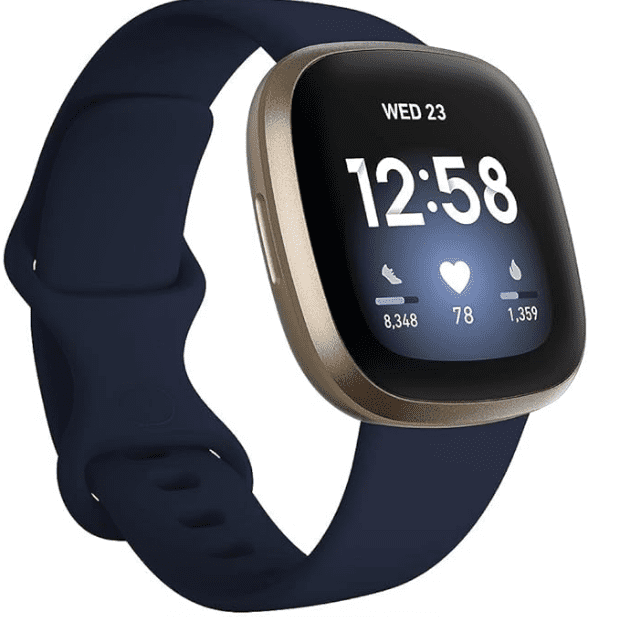
3. Fitbit versa3 (Premium membership with AI)
Fitbit is evolving beyond the basics of step counting and calorie tracking. Its latest updates integrate AI-driven insights to offer a more comprehensive view of personal well-being. Now, users can monitor and improve their health with features that examine sleep patterns, stress indicators, and broader energy trends, delivering meaningful wellness nudges instead of just raw data.
As part of the Fitbit Labs initiative, three new experimental features have been introduced, powered by Google’s Gemini AI. These additions reflect an effort to reimagine how wearable technology can proactively support everyday health decisions. One notable feature is the AI-backed Symptom Checker. Rather than falling down an internet rabbit hole when feeling unwell, users can describe symptoms through their Fitbit device. The AI then asks clarifying questions to help narrow down possible causes. While it’s not a substitute for professional care, it aims to provide thoughtful guidance and reduce anxiety-driven self-diagnoses.
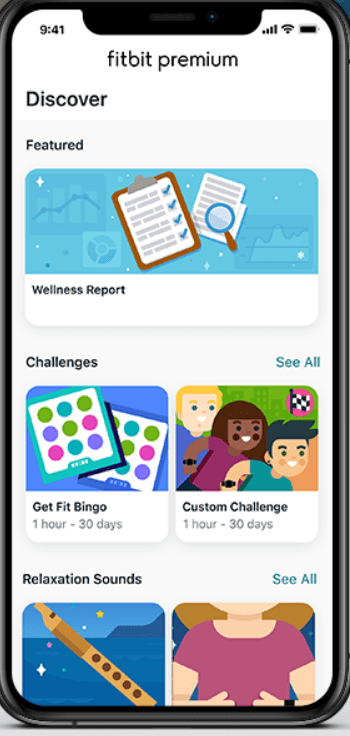
Integration with voice assistants such as Google Assistant and Amazon Alexa Built-in adds further convenience. Whether setting sleep reminders, controlling smart home devices, or asking for quick news updates, users can interact with their Fitbit by voice, extending its role beyond fitness into daily routines. These devices also come with a six-month trial of Fitbit Premium, granting access to personalized insights, guided programs, and advanced analytics.
 |
 |
Bridging Health Goals with AI
Artificial intelligence isn’t just tracking what’s happening and it’s helping optimize daily routines and long-term health through:
Smart Recovery Planning
AI adjusts activity recommendations based on how well you’ve recovered overnight. Less recovery suggests lower strain, while more recovery gives a green light for high performance activities.
Sleep Optimization
AI identifies disruptions like temperature spikes or inconsistent bedtimes and recommends changes for deeper sleep, effectively coaching users toward better REM and restorative cycles.
Personalized Health Journeys
AI learns from your habits and refines advice over time and becoming a true health coach grows more effective as it accumulates data about your unique physiology and responses.
Avoiding Burnout with AI Wellness Tracking
Consider a 40-year-old marketing executive working 60+ hour weeks who struggles with fatigue, poor sleep, and lack of mental focus. Using a combination of WHOOP strap and Oura Ring, AI-powered health tracking helped transform their situation:
Step 1: Baseline Tracking
During weeks 1-2, AI noticed high strain coupled with poor HRV, flagging a potential burnout risk. The system suggested earlier wind-down time and breathing exercises to mitigate these warning signs.
Step 2: Insight-Based Coaching
By week 3, sleep consistency improved significantly. WHOOP began recommending optimal workout times and intensity levels based on the user’s recovery status.
Step 3: Personalized Routine
Through weeks 4-6, the user reduced late-night screen time and added walks and hydration reminders to their routine. AI indicated steady HRV improvement and better deep sleep duration as a result.
The outcome was remarkable: the user reported improved focus, fewer energy crashes, and no burnout symptoms. AI effectively transformed passive tracking into a proactive health strategy that produced tangible results.
Benefits and Insights
The true value of AI health tracking lies not in data collection but in the insights generated:
- Pattern Recognition in Everyday Health
-
- AI identifies subtle patterns from multiple sensors, heart rate variability, sleep phases, activity levels to detect wellness trends long before we notice them. For instance, detecting chronic stress through declining HRV trends over two weeks provides an early warning system for potential burnout.
- Personalized Health Guidance
- Rather than relying on generic recommendations, AI tools create tailored suggestions based on your lifestyle, goals, and biometric inputs. These suggestions adapt daily based on your energy levels, sleep quality, and recovery signals, providing guidance that evolves with your changing needs.
- Real-Time Alerts & Preventive Signals
- AI provides nudges when your body’s data signals change — like high stress, poor recovery, or abnormal sleep patterns. Messages such as “Your HRV is lower than usual. Consider reducing intensity today” help users make informed decisions about their daily activities.
- Integrated Health Dashboards
- AI pulls in data from wearables, rings, glucose monitors, and more, combining them into an intelligent health view. This integration helps users and clinicians see the full picture and act faster when intervention is needed.
Final Thoughts
AI-powered health tracking represents a fundamental shift in how we approach healthcare, moving from reactive treatment to proactive prevention through personalized insights and early intervention. By transforming raw health data into actionable intelligence, these systems enable individuals to take greater control of their well-being while providing clinicians with valuable information for more effective care.
As this technology continues to evolve, its integration into everyday health practices promises not only improved individual outcomes but also more efficient healthcare systems and healthier communities. The future of healthcare increasingly lies not just in treating illness but in preventing it through intelligent, personalized monitoring that makes the adage “an ounce of prevention is worth a pound of cure” more relevant than ever.
Frequently asked questions
What is preventive health?
Preventive health embodies a proactive approach to wellness through regular check-ups, screenings, vaccinations, and lifestyle modifications designed to prevent diseases.
How does AI help in health tracking?
AI helps in health tracking by establishing personal baselines, monitoring deviations, and providing actionable insights tailored to individual health needs.
What features does the Oura Ring 4 offer?
The Oura Ring 4 offers personalized daily readiness scores, sleep staging, recovery analytics, and menstrual cycle insights, all powered by advanced AI.