
Humans + AI = Centaurs: The New Work Paradigm of 2026
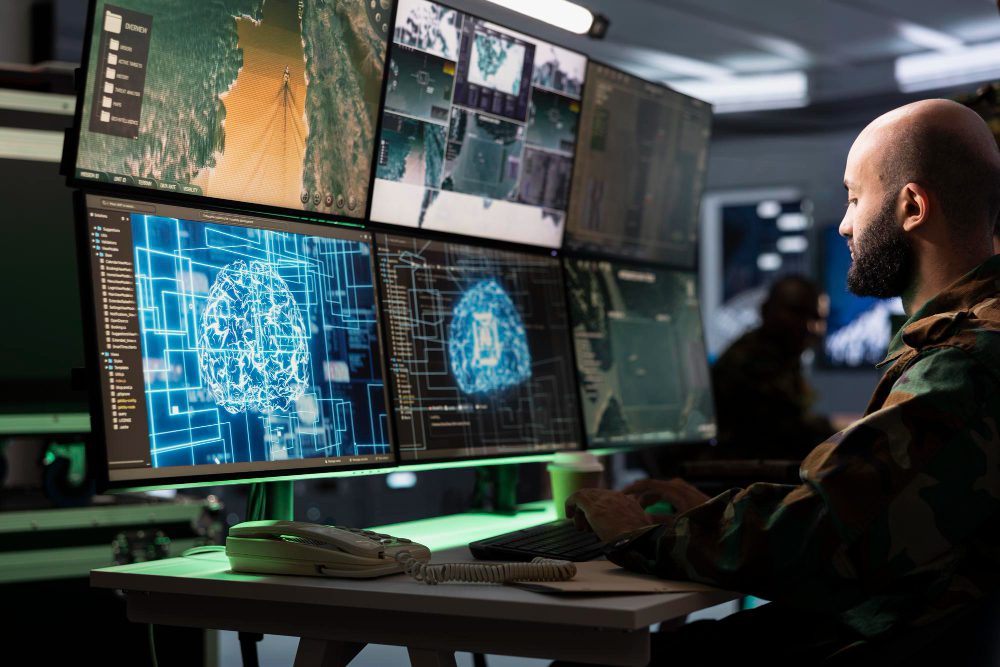
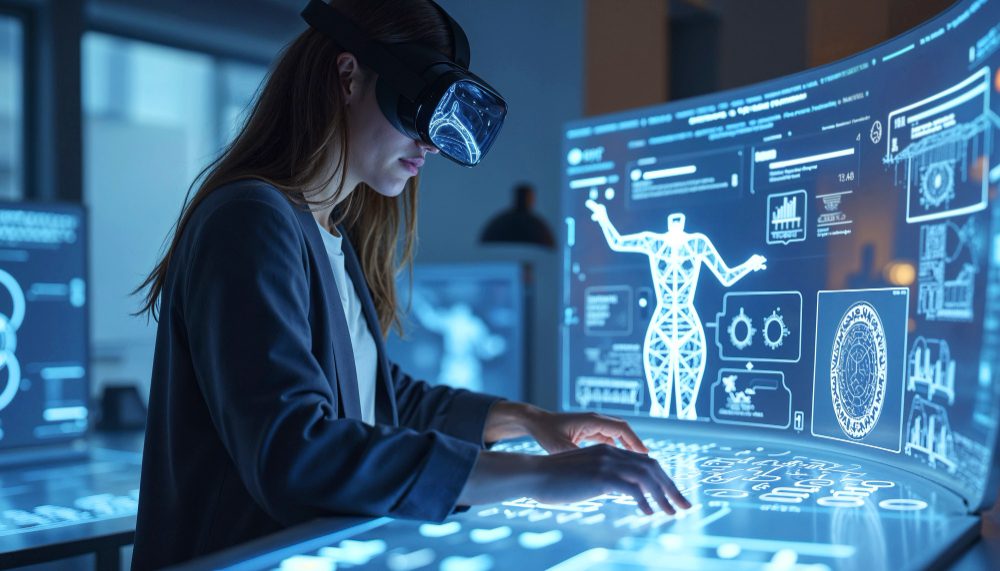
The emerging paradigm for productive work in 2026 and beyond is the seamless integration of humans and artificial intelligence (AI) into hybrid teams often referred to as human-AI centaur collaboration. This model transcends previous views of AI as mere automation or passive tools. Instead, centaurs represent proactive, collaborative partnerships between human intuition, creativity, and ethics combined with AI’s computational power, pattern detection, and continuous data processing using agentic AI systems. Organizations that embed centaur workflows stand to achieve significantly better outcomes across knowledge work, customer service, engineering, and creative domains. This article will explore the structural shift underway, the drivers accelerating it, its technical underpinnings, workforce implications, risks, and what must come next to fully realize this new work paradigm.
The Shift to Centaur Collaboration: What is Happening?
The centaur concept takes human-AI collaboration beyond intermittent interaction towards continuous, agentic teaming. In this model:
- Humans contribute nuanced judgment, context comprehension, strategic thinking, ethical considerations, and creative problem-solving abilities.
- AI contributes vast data processing, pattern recognition algorithms, automation of routine tasks, rapid hypothesis generation, and constant workflow augmentation powered by AI-powered workflow orchestration.
This dual contribution creates a synergistic effect where humans rely on AI to scale cognitive capacity while AI depends on human values and oversight for alignment and ethical judgment using advanced human-AI fluency. Organizations are rapidly moving beyond experimentation phases, where AI was often isolated in pilot projects or deployed as narrow tools, towards embedding agentic AI teammates formally integrated into workflows.
Examples include AI co-pilots for software development that propose code optimizations in real-time while engineers provide feedback and final validation using AI coding assistant tools; customer support AI agents handle initial queries autonomously but escalate complex or ethically sensitive cases to humans; creative teams harness AI to generate first drafts of art, text, or video, which humans then refine with emotional nuance and brand alignment; and strategic planning groups use data-augmented AI foresight aligned by executive judgment.
Importantly, the human-in-the-loop machine learning model is evolving into dynamic human-AI partnerships. Interaction is real-time, continuous, and characterized by mutual learning. AI systems adjust recommendations based on human feedback while humans adapt work patterns to new AI capabilities. AI fluency, the ability of workers to effectively communicate with, guide, and critically oversee AI collaborators, has become a defining workforce competency.
Why Now: Technical and Ecosystem Drivers
The convergence of several technological advances and ecosystem forces is making centaur teams viable and essential today:
- Agentic AI Systems: AI has evolved from passive assistants to proactive teammates capable of initiating actions, summarizing ongoing workflows, flagging issues, and anticipating human needs. Advances in multi-modal processing, contextual understanding, and dialog enable these AI agents to be fluid collaborators.
- Enhanced Natural Language and machine learning pattern recognition: Improvements in large language models, vision transformers, and other architectures allow AI to parse complex instructions, generate coherent responses, and recognize subtle patterns in data streams. This underpins AI’s ability to support knowledge work and creative tasks effectively.
- Maturation of human-in-the-loop AI learning approaches: Until recently, human-in-the-loop AI was linear and episodic — model generates, human corrects, repeat. Now, it has matured into continuous, adaptive partnerships with models actively learning from humans and vice versa.
- Strategic Enterprise Investment: Major technology providers including Salesforce, Google, Microsoft, and Accenture are embedding AI into core workflows rather than siloed experiments. Such investments are institutionalizing centaur workforces.
- Recognition of AI fluency skill development and ethical AI governance frameworks: Organizations increasingly understand that successful centaur teams require workers skilled in AI interaction and robust governance frameworks that ensure ethical behavior, transparency, and trust.
Research Breakthroughs Powering Centaur Teams
- Proactive AI teammates: Research demonstrates AI agents not only execute commanded tasks but initiate suggestions, alert humans to anomalies, and engage in exploratory dialogue.
- Explainable AI and transparent feedback: Advances in interpretable AI and real-time responsiveness provide humans with confidence and insight into AI reasoning, reducing mistrust and facilitating correction.
- Benchmarks for human-AI co-adaptation interaction: New evaluation frameworks measure the quality of mutual learning, co-adaptation, and joint decision-making between humans and AI rather than isolated AI performance metrics.
- Workflow-embedded AI architectures: AI models now interoperate within real-time pipelines, integrate multi-source context data, and tailor outputs dynamically to human collaborator needs and roles.
Engineering & Deployment: From Pilots to Production
- Enterprise Deployments: Companies move beyond narrow AI pilots. AI coding assistants (e.g., Microsoft’s Copilot) are embedded within developer IDEs, content generation tools accelerate marketing workflows, and AI-based customer support automations handle high volumes of interactions while escalating complex issues.
- Strategy and Decision Making: AI-driven analytics platforms augment executive decisions with predictive insights supplemented by human judgment and ethical review.
- Design Emphasis: AI systems are increasingly engineered for explainability, transparency, and integrative feedback loops rather than black-box optimization, aligning with the centaur model’s collaborative goals.
Developer Sentiment and Community Dynamics
- Human-AI fluency development: Developers emphasize creating APIs, interfaces, and interaction protocols that enable fluid bidirectional communication between humans and AI agents.
- Real-Time Co-Adaptive AI Models: Projects focus on AI models that adapt to individual human collaborators’ preferences and workflows dynamically.
- Autonomy-Balancing Discussions: Forums debate how much AI autonomy is beneficial before risking human deskilling or over-reliance, stressing the need for adjustable control levels.
- Ethical Frameworks: Increasing discourse surrounds building centaur AI within ethical guardrails to ensure equity, bias mitigation, privacy, and transparency.
Tools, Frameworks, and Platforms Leading the Space
- Agentic AI integration platforms: Platforms combine natural language interfaces with domain-specific backend systems—such as knowledge management or creative design suites—to facilitate direct AI contributions.
- AI-powered workflow orchestration: AI orchestration layers ensure compliance, security, and auditability while managing multi-agent collaboration and task handoffs.
- AI coding assistants: Tools automate repetitive programming chores and propose innovations while allowing human developers to review, edit, and validate suggestions.
- AI content creation: Systems generate initial drafts for text, video, or graphic content that humans iteratively enhance with style, context, and creative judgment.
- Specialized AI startups: Emerging firms build customized centaur assistants trained for distinct professional roles from legal support to healthcare diagnostics.
Risks, Exploits, and Defensive Technologies
While centaur models promise gains, they introduce risks requiring mitigation:
- Skill Degradation: Over-reliance on AI threatens human expertise and critical thinking, leading to possible cognitive disengagement and deskilling.
- Explainability and Alignment Gaps: Inadequate transparency in AI reasoning can cause blind trust or mistrust, increasing error or misuse.
- Unverified AI Outputs: Human complacency risks accepting AI-generated content or conclusions without sufficient verification, aggravating misinformation or faulty decisions.
- Ethical Violations: Without strong governance, AI may inadvertently amplify biases or violate privacy.
Defensive strategies include:
- Robust human-in-the-loop protocols mandating human review for critical decisions.
- Continuous monitoring of AI behavior with anomaly detection.
- Transparent AI models with accessible explanation interfaces.
- Implementing ethical AI governance frameworks aligned with corporate and societal values.
Standards, Compliance, and Governance Developments
- Ethical Frameworks: Emphasis on transparency, accountability, fairness, and human autonomy.
- Regulatory Mandates: Requirements for explainability, audit trails, and human oversight in AI-assisted workflows.
- Social and Mental Health Considerations: Policies addressing worker well-being and cognitive load in AI-augmented environments.
- Standardized Interaction Protocols: Industry initiatives forming common guidelines for seamless human-AI task allocation, feedback, and responsibility sharing.
Where the Technology is Headed
- Mainstream Adoption: Hybrid human-AI teaming integrated across enterprise functions, research, creative industries, and customer engagement.
- Real-Time Adaptation: AI agents learning and evolving alongside human collaborators continuously.
- Workforce Transformation: AI fluency training programs embedded in education and corporate development programs as a critical skill.
- Balanced Governance: Sophisticated frameworks ensuring AI autonomy is balanced with human ethical judgment and control.
- Hybrid Intelligence Advances: Research pushing AI systems to tightly couple with human creativity and reasoning, paving the way for new problem-solving frontiers using hybrid intelligence systems.
Why These Findings Matter
- For Developers: Designing AI that supports real-time human collaboration, transparency, and ethical constraints is non-negotiable. APIs, interaction models, and interfaces must prioritize fluid human-AI dialogue to enable centaur productivity.
- For Researchers: Benchmarking and architectural innovation must go beyond isolated AI accuracy to measuring human-AI partnership quality, mutual learning, and co-adaptation dynamics.
- For Security Experts: Vigilance is required to defend against skill erosion, over-dependence, and malicious exploitation while preserving transparent, trustworthy AI-human processes.
- For Product and Platform Owners: Embedding AI fluency training, ethical governance policies, and scalable centaur architectures is critical to sustaining competitive advantage and societal trust in AI-augmented workforces.
Conclusion: Building the Future Centaur Workforce
The centaur paradigm of integrated human-AI partnership is no longer theoretical. It is the defining work model emerging in 2026 across sectors. Success will come to organizations that embrace AI not as a tool but as a collaborative teammate, embedding agentic AI systems into workflows with robust governance and workforce fluency. The technical and social infrastructure investment required is significant but will yield superior outcomes—faster innovation, better service, enhanced creativity, and ethically aligned decisions.
Moving forward, enterprises must:
- Accelerate AI fluency education and training.
- Implement AI systems prioritizing explainability and mutual adaptation.
- Develop and enforce ethical AI governance frameworks balancing autonomy with human oversight.
- Measure partnerships not by AI performance alone but by joint human-AI productivity and trust metrics.
The human-AI centaur is the new fundamental unit of work. Organizations that build centaur capabilities with hybrid human-AI teams will shape the future of productive, ethical, and innovative enterprises. The time to act is now.
Frequently asked questions
What is a human-AI centaur?
A human-AI centaur is a model of collaboration where humans and AI work together as proactive partners, combining human intuition and creativity with AI's computational power.
What are the benefits of centaur collaboration?
Centaur collaboration enhances productivity by leveraging human judgment and ethical considerations alongside AI's data processing and pattern recognition capabilities.
What are the risks associated with centaur models?
Risks include skill degradation, inadequate transparency in AI reasoning, and potential ethical violations without strong governance frameworks.