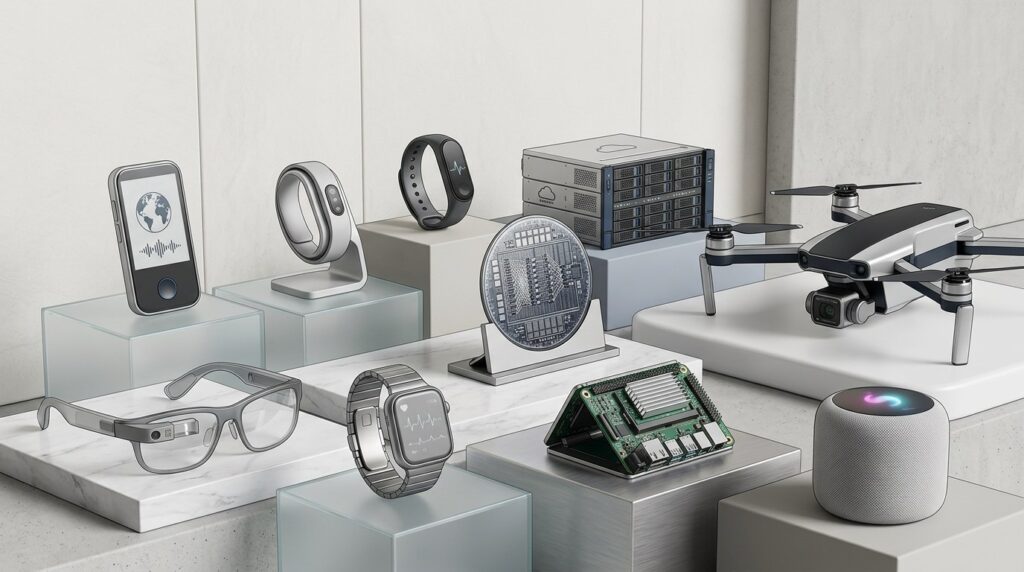
This month we look at the best AI gadgets due on shelves before the end of 2026. Glasses that read a room before you do. A watch that can catch a missed heartbeat. A drone that frames its own shots. Nine of them made the cut, and not all for the same reasons.
1. SPECS Augmented Reality Glasses — Smart Glasses

Snap's SPECS put an AI assistant directly into the lenses. Look at a menu, a landmark, or a sign in a language you don't speak, and it reads the scene for you in real time, with no phone required.
It's an early, credible attempt at ambient AI — intelligence that lives in your field of view rather than on a screen you have to remember to check. Whether that idea survives daily use outside a demo is a separate question.
Best For:
- Travellers in unfamiliar cities
- Field workers needing hands-free guidance
- AR developers
Standout Features:
- Real-time contextual scene understanding
- Hands-free Bluetooth notifications
- Up to 20 hours mixed-use battery with charging case
Things To Consider:
- At $2,195, it sits far above mainstream smart glasses
- Battery life drops sharply once the AI features are doing real work
- Still shipping as of Fall 2026, so real-world performance is unverified
- Our Verdict: This is the most genuinely futuristic item on the list, but it's priced and timed like a preview rather than a finished consumer product.
- Alternative To: Meta Smart Glasses cost a fraction of the price and do noticeably less — the gap tells you what you're actually paying for here.
- Product: https://www.specs.com/?lang=en-US
2. Google Pixel Watch 5 — AI Wearable
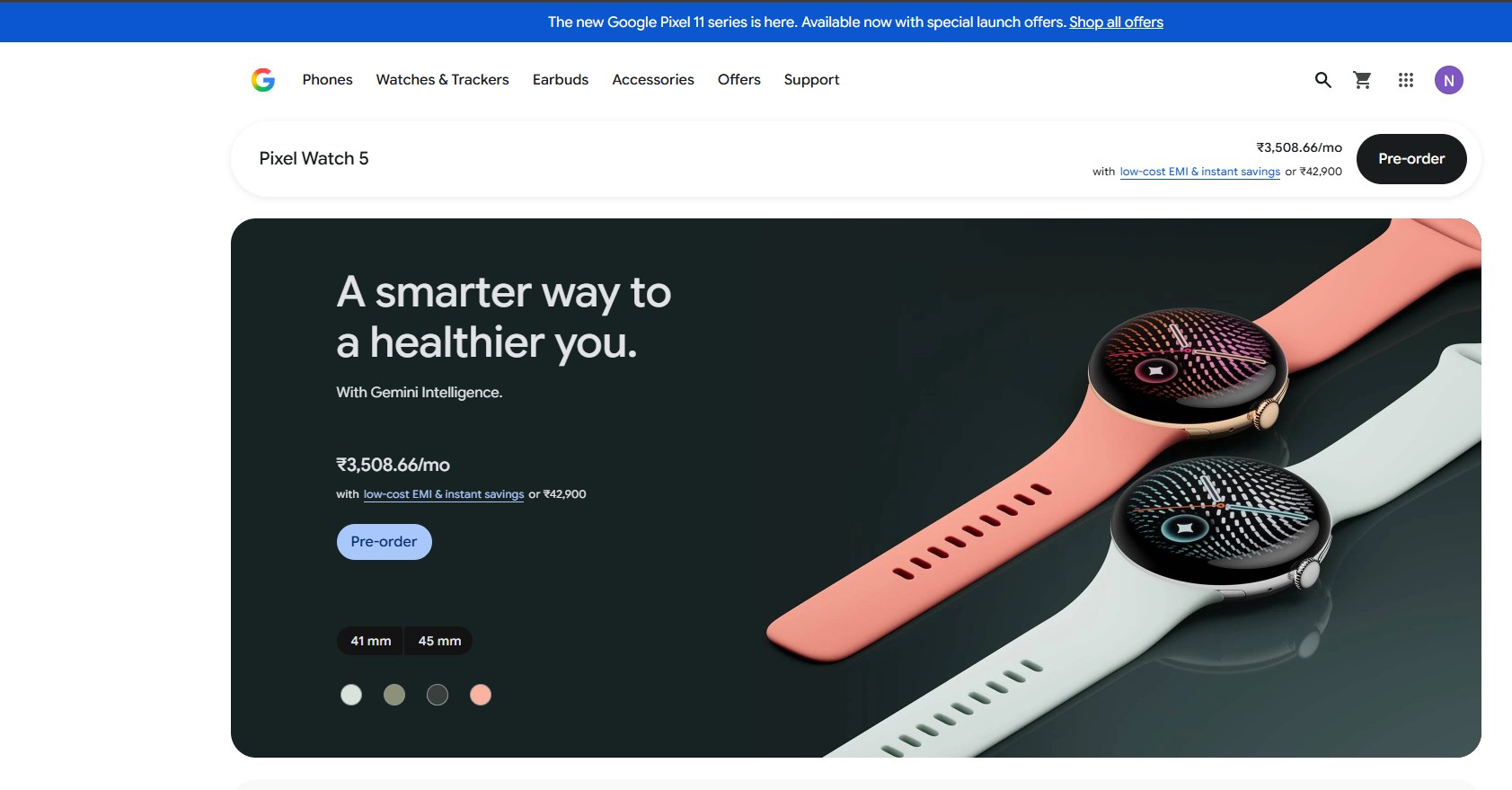
Health Guardian software watches your vitals on the device itself, flagging breathing emergencies and loss-of-pulse events as they happen rather than waiting on a cloud connection. It screens for seven categories of health risk.
This is a smartwatch prepared to make an emergency judgment call on your wrist, not just count steps. That's a real shift in what the category is for.
Best For:
- Solo travellers
- People caring for ageing parents
- Endurance athletes
Standout Features:
- Loss-of-pulse detection
- Breathing emergency alerts
- Instant AI-driven interactions during sleep tracking
Things To Consider:
- Priced at $399–$429 (the Stephen Curry edition runs to $579), above most rival smartwatches
- Locked to the Android ecosystem
- Continuous monitoring still lives or dies on battery life
- Our Verdict: Early reviews call the health features best-in-class. The price will still send casual buyers elsewhere.
- Alternative To: Apple Watch is the obvious comparison — if you're not tied to Android already.
- Should You Upgrade? Worth it if you or someone you look after has a cardiac or respiratory risk factor. Skip it if you just want basic fitness tracking; cheaper watches manage that fine.
- Product: https://store.google.com/product/pixel_watch
3. DJI Mavic 3 AI — Robot
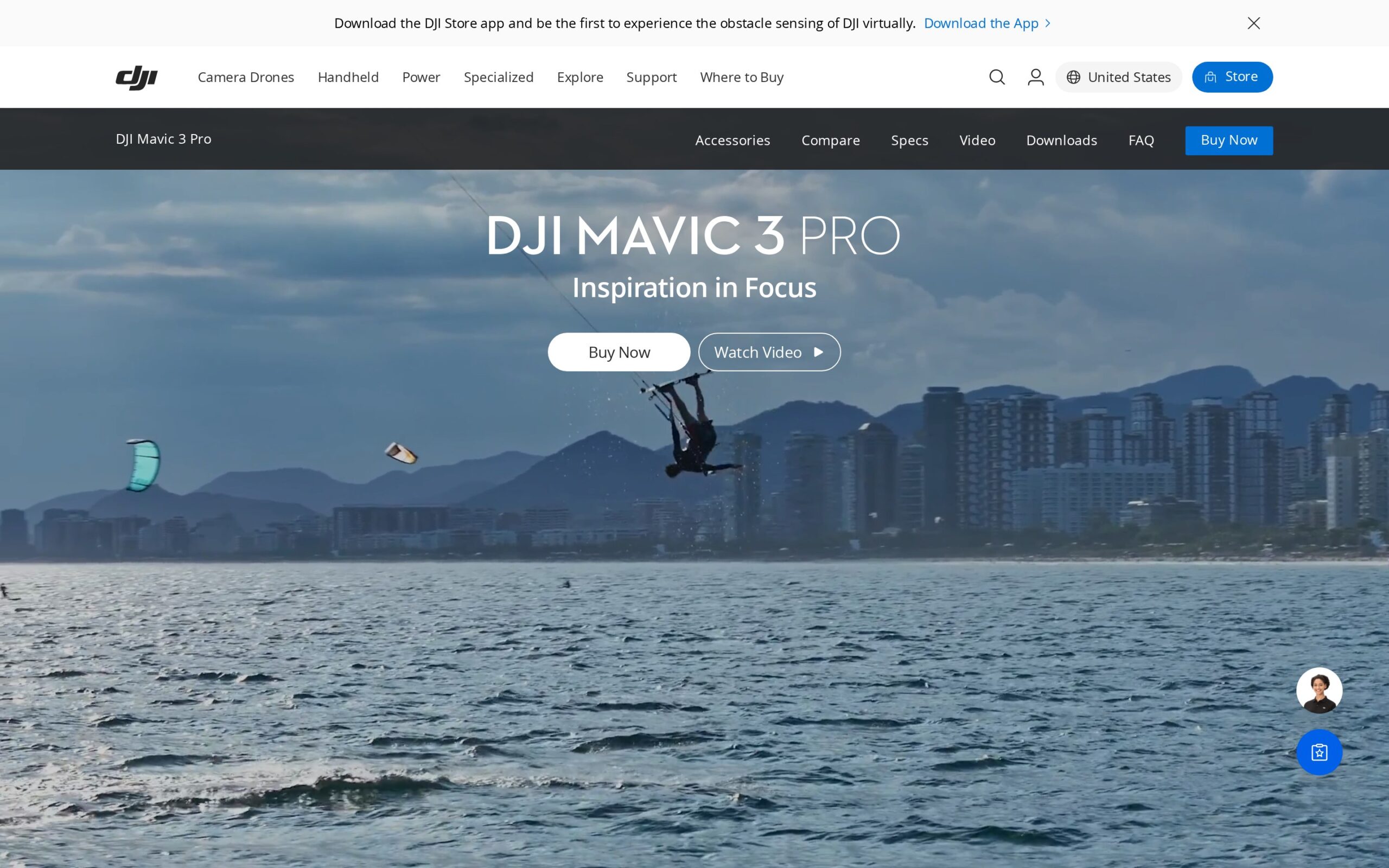
The Mavic 3 now tracks a moving subject through the frame and steers itself around obstacles, instead of demanding the pilot fly every shot by hand.
Drones are edging from remote-controlled cameras into semi-autonomous filming assistants, and this is a solid example of it — cinematic camera movement without a cinematographer's hands on the sticks.
Best For:
- Filmmakers
- Real estate photographers
- Outdoor content creators
Standout Features:
- Autonomous subject tracking
- Obstacle avoidance during flight
- Extended battery life for longer autonomous shoots
Things To Consider:
- At $2,199, it's a serious outlay for casual hobbyists
- Legal flight still means understanding local airspace rules and permits
- Reviewers note a steep learning curve for anyone unused to manual controls
- Our Verdict: The AI navigation genuinely lowers the skill floor for cinematic shots. It remains a professional tool, priced and regulated like one.
- Product: https://www.dji.com/mavic-3-pro
4. Sony Alpha 7R VI — Camera
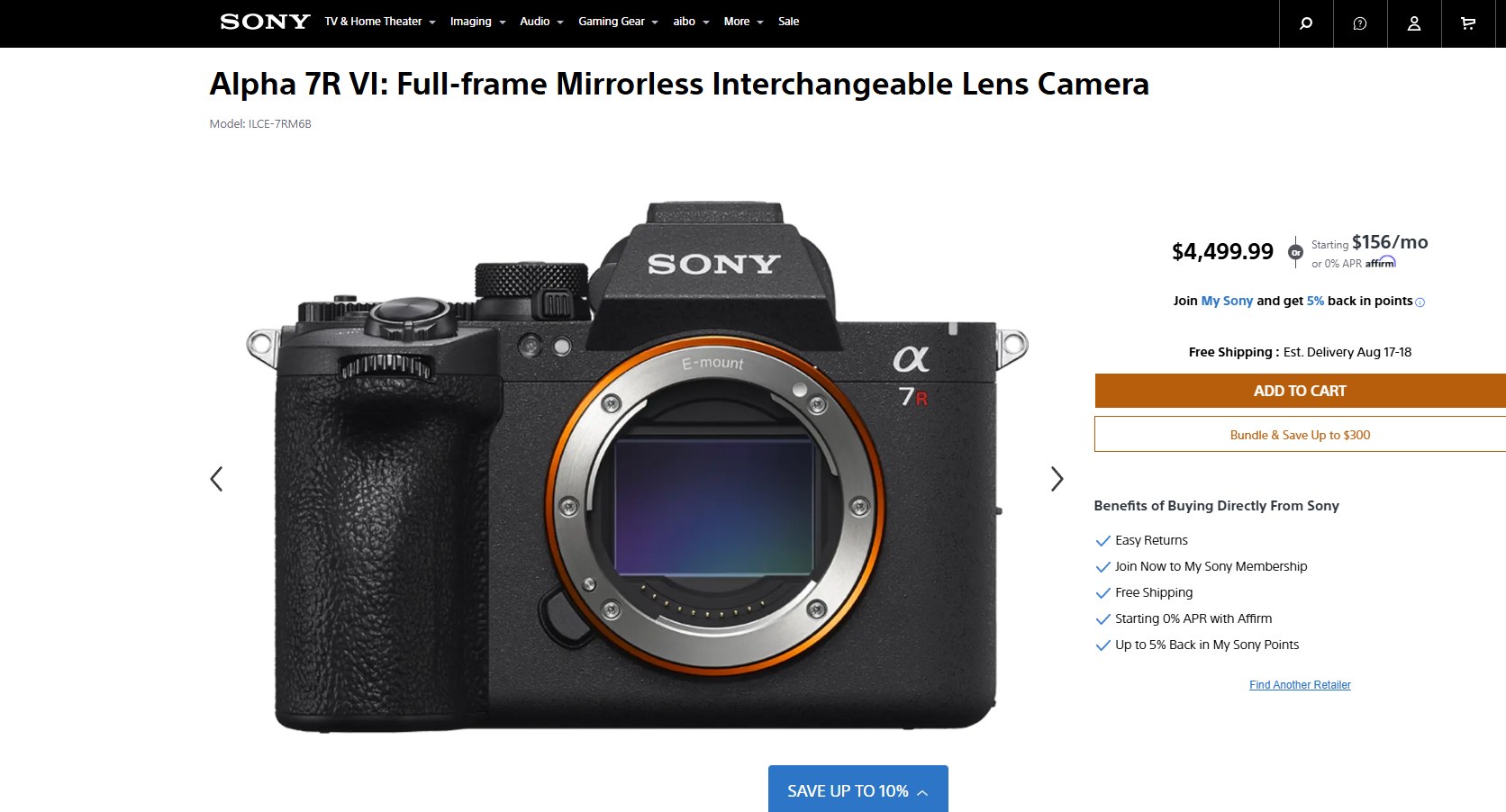
New AI tracking focus recognises a specific subject and follows it through the frame — a step beyond basic face or eye detection.
AI is moving into the mechanics of photography itself now, not just the editing that happens after the shutter clicks.
Best For:
- Professional photographers
- Wildlife photographers
- Wedding photographers
Standout Features:
- AI-powered subject-recognition autofocus
- In-camera editing tools
- High-resolution imaging for large prints
Things To Consider:
- At $3,199, this is squarely a professional-tier purchase
- Menu complexity may overwhelm amateurs, per reviewers
- Getting full value out of the AI focus modes takes practice
- Our Verdict: It's the kind of quiet, technical improvement that changes how working photographers actually shoot — but it isn't built for anyone outside that tier.
- Alternative To: Canon EOS R5 is the standing comparison in this bracket.
- Product: https://electronics.sony.com/imaging/interchangeable-lens-cameras/full-frame/p/ilce7rm6b
5. Meta Smart AI Glasses — Smart Glasses

Meta's glasses now pair neural handwriting recognition with an AI assistant that transcribes conversations as they happen — spoken and handwritten input, read side by side.
The assistant lives on your face rather than in your pocket, folding note-taking and transcription into a single hands-free device.
Best For:
- Students
- Journalists
- Professionals taking meeting notes
Standout Features:
- Real-time conversation transcription
- Neural handwriting recognition for notes
- Hands-free notifications and voice commands
Things To Consider:
- Battery life is limited under heavy use
- Full functionality depends heavily on the Meta ecosystem
- Best suited to people already living inside that ecosystem
- Our Verdict: At $299, this is the most accessible AI glasses on the list. The payoff depends entirely on how much of your life already runs through Meta's apps.
- Alternative To: Google Glass is the historical comparison, though this does considerably more than that ever did.
- Product: https://www.meta.com/smartglasses/
6. Roborock S8 Pro Ultra — Robot
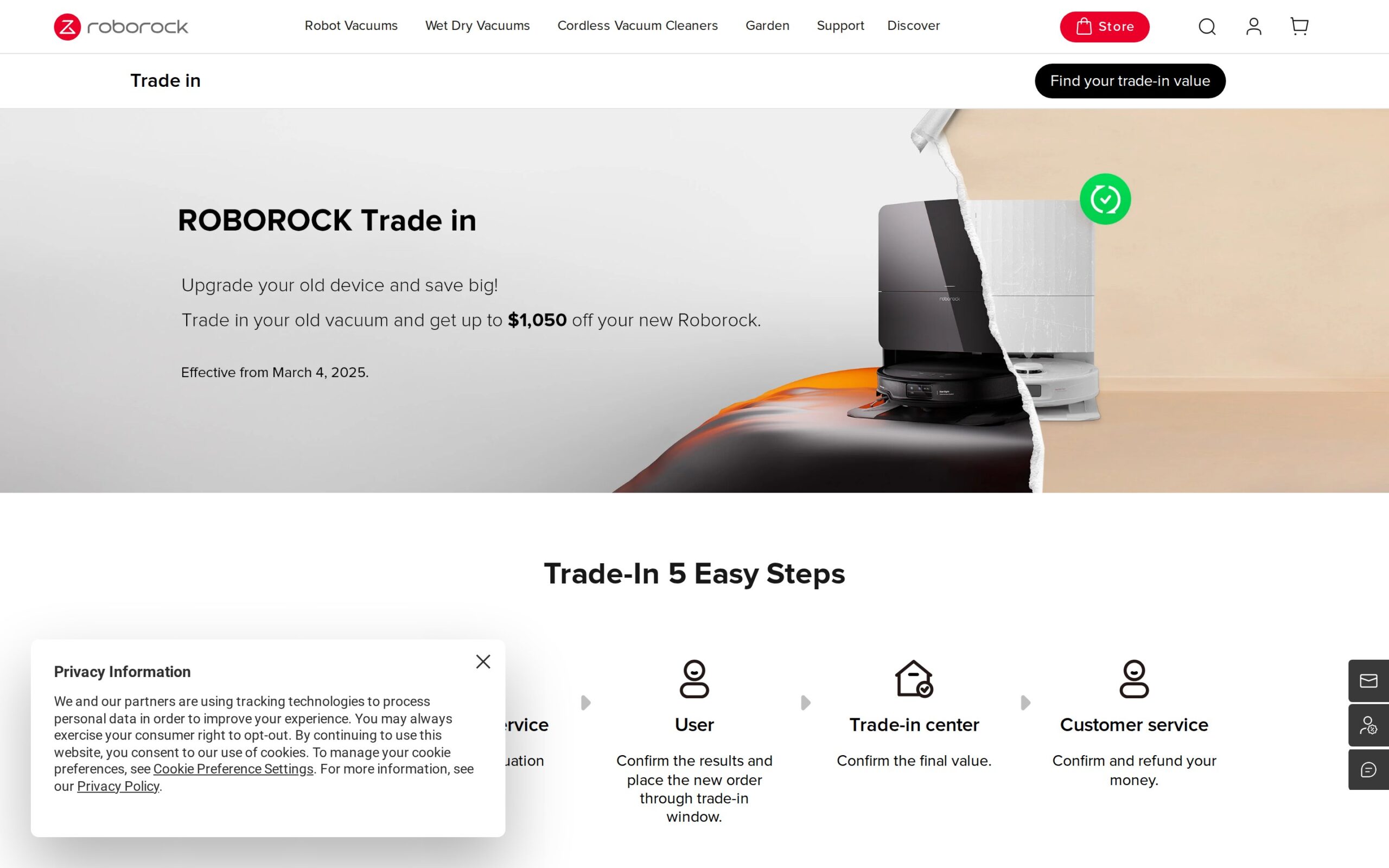
The S8 Pro Ultra plans its cleaning route room by room and adapts as it goes, rather than grinding through a fixed grid pattern.
It's the shift from bump-and-turn robot vacuums to machines that reason about your home's actual layout.
Best For:
- Busy households
- Pet owners
- Smart home enthusiasts
Standout Features:
- Self-cleaning base station
- AI-adjusted cleaning patterns per room
- Deep integration with smart home systems
Things To Consider:
- $1,599 upfront is steep for a vacuum
- Ongoing maintenance and consumables add to the cost over time
- Premium pricing will deter budget-conscious buyers outright
- Our Verdict: Cleaning performance is exceptional, according to reviewers. This is a purchase for people who've already decided a four-figure vacuum is worth it.
- Alternative To: iRobot Roomba remains the default comparison — cheaper, and with a lower ceiling.
- Should You Upgrade? Upgrade if your current robot still struggles with furniture and edges. Skip it if a cheaper model already handles your floor plan.
- Product: https://us.roborock.com/products/roborock-s8-pro-ultra-vacuum
7. Samsung Galaxy Z Fold 5 — Smartphone
AI now resizes and repositions app windows across the unfolded screen automatically, rather than leaving you to drag panels into place yourself.
Foldables are finally getting software that justifies the extra screen, rather than a hinge that mostly exists to be shown off.
Best For:
- Executives juggling multiple apps
- Heavy note-takers
- Power users who multitask constantly
Standout Features:
- AI-optimised multitasking layouts
- Expandable app windows tuned to the fold
- Productivity-focused note-taking tools
Things To Consider:
- $1,799 base price is a real barrier
- Bulkier than a standard phone
- Reviewers keep flagging cost as the biggest barrier, even among people who like the format
- Our Verdict: The productivity gains are real if you already multitask hard on a phone. Difficult to recommend to anyone who doesn't.
- Alternative To: Standard flagship phones remain the sensible pick for anyone not sold on the format.
- Product: https://www.samsung.com/global/galaxy/galaxy-z-fold5/
8. Sony WH-1000XM5 AI Headphones — Audio
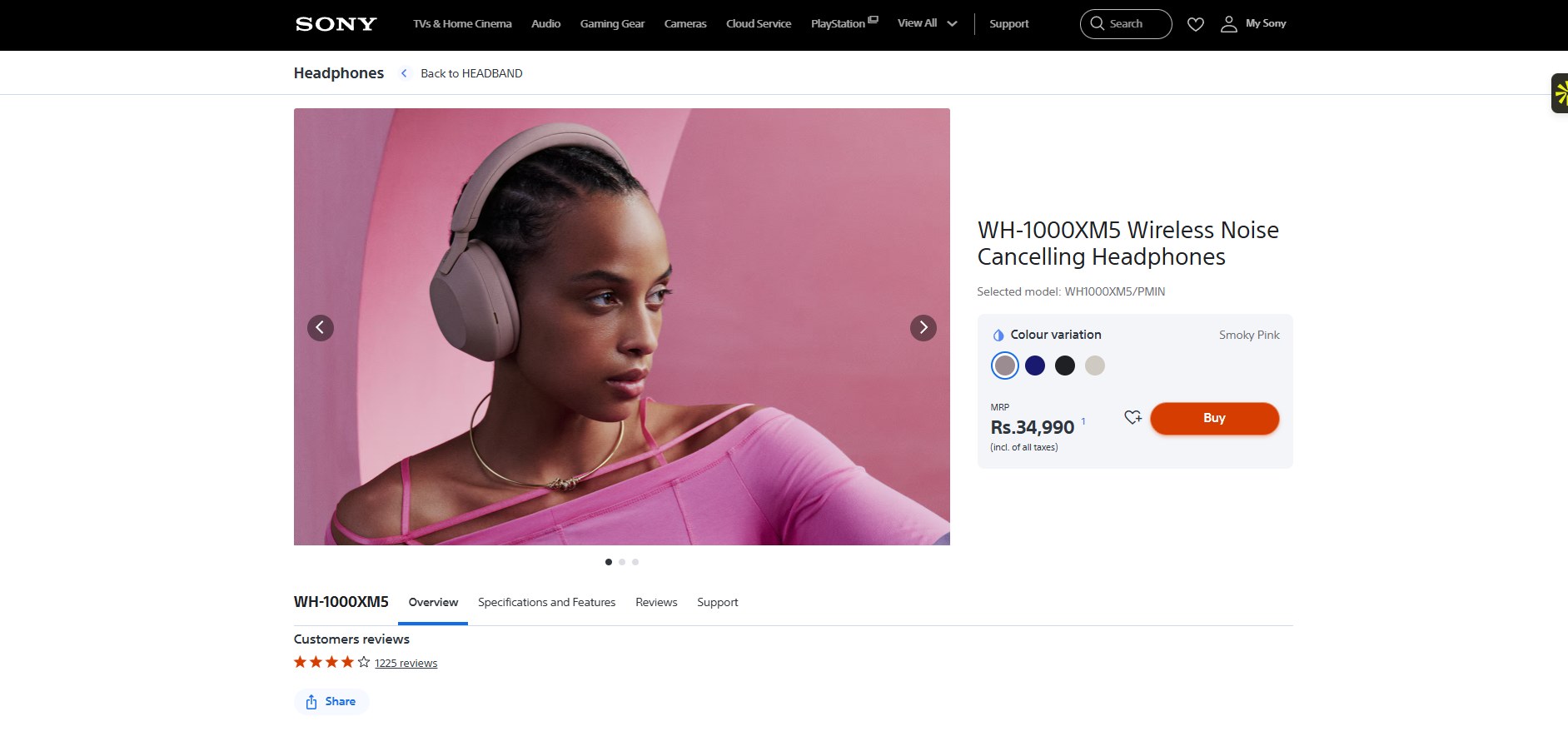
AI-driven noise cancellation now adapts to your surroundings in real time, instead of switching between a handful of fixed profiles.
It's a modest, unglamorous example of AI improving an already mature category rather than trying to reinvent it.
Best For:
- Frequent flyers
- Remote workers
- Daily commuters
Standout Features:
- Real-time adaptive noise cancellation
- Long battery life
- Lightweight all-day comfort
Things To Consider:
- At $399, pricier than most wireless headphones
- Adaptive features are overkill for casual listeners
- Our Verdict: The least science-fiction item on this list, and that's fine — a refinement rather than a reinvention, and a dependable one.
- Alternative To: Bose QuietComfort is the long-running rival here.
- Should You Upgrade? Upgrade if you fly or commute often enough to notice adaptive cancellation across different environments. Skip it if your current pair is under two years old.
- Product: https://www.sony.co.in/electronics/headband-headphones/wh-1000xm5
9. Oura Ring 5 — AI Wearable
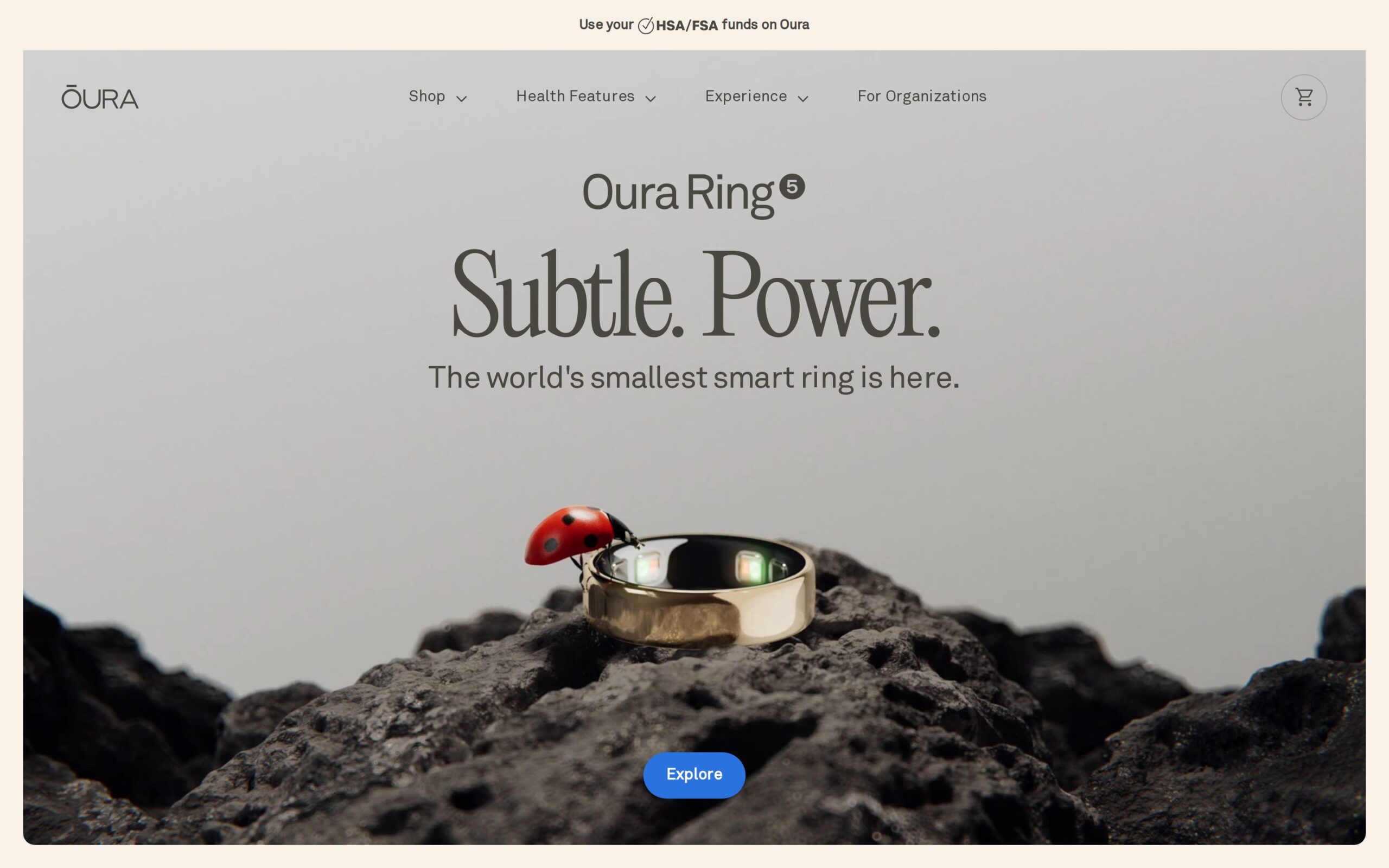
AI-driven insights now read sleep, readiness, and recovery from a slimmer sensor set — but the full interpretation layer sits behind a required subscription.
This is the tension running through AI wearables right now: the hardware keeps getting better, but the intelligence increasingly has to be rented rather than owned.
Best For:
- Sleep-focused users
- Athletes tracking recovery
- Existing Oura ecosystem users
Standout Features:
- Slimmer redesigned form factor
- AI-driven sleep and readiness insights
- About a week of battery life
Things To Consider:
- Subscription required at $6/month or $70/year for full features
- Competitors offer comparable tracking without a subscription
- Reviewers call the subscription hard to justify for some buyers
- Our Verdict: The hardware itself is well-designed and reliable, reviewers say. The subscription undercuts the case for choosing it over subscription-free rivals already on the market.
- Alternative To: Whoop is the obvious subscription-based rival, though several other trackers skip the fee entirely.
- Product: https://ouraring.com/
None of these are flawless, and several ask you to pay a premium — in cash or in subscriptions — for AI that's still finding its footing. But taken together they mark something real: intelligence moving off the cloud and onto the thing on your wrist, your face, or in your camera bag.
Frequently asked questions
What features do the SPECS Augmented Reality Glasses offer?
The SPECS glasses provide real-time contextual scene understanding and hands-free Bluetooth notifications.
How does the Google Pixel Watch 5 enhance health monitoring?
The Google Pixel Watch 5 monitors vitals directly on the device, flagging emergencies like breathing issues and loss-of-pulse events.