
A developer choosing a model today usually starts with one hard constraint: the job. This month’s five picks split sharply between million-token reading, open model control, coding agents, and multimodal search. The ranking uses the adoption signals attached to each model, including 3,158,872 downloads for the leader and 18,795 for a newer coding-focused contender.
Treat those numbers as evidence of attention, not proof that every production workload fits.
1. Qwen3.8-Flash-Next
What It Does
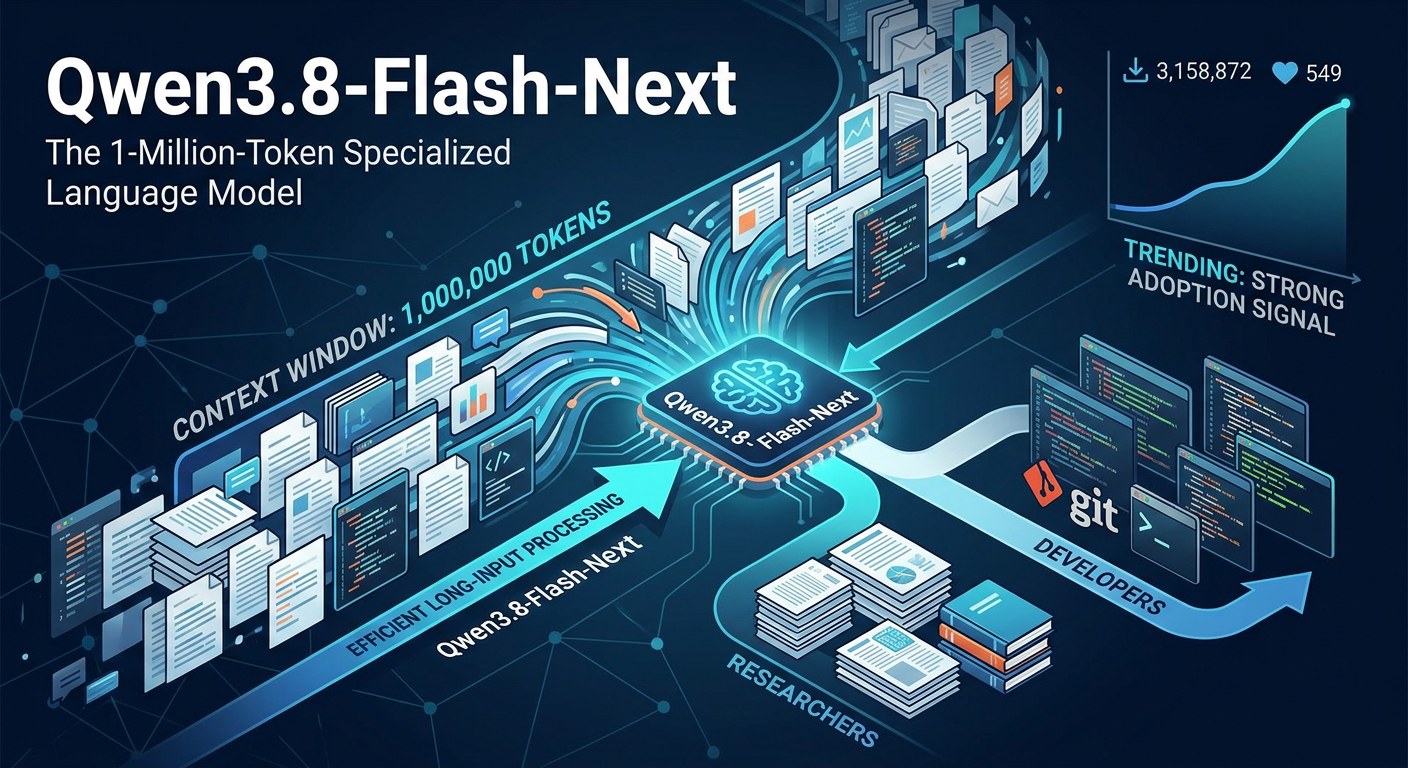
Qwen3.8-Flash-Next is a language model built to read very large amounts of text at once. Its headline capability is handling up to 1 million tokens efficiently, which suits tasks such as examining a large codebase or a long collection of documents in one pass.
Why It's Trending
This is the list’s slow-burn pick. Its long-input design has attracted 3,158,872 downloads and 549 likes, making it the strongest adoption signal among these entries.
Key Capabilities
- Long context: processes up to 1 million tokens efficiently.
Best For
- Developers — working with unusually large code or document collections
- Researchers — examining long bodies of text in one request
What Makes It Different
The differentiator is scale: Qwen3.8-Flash-Next is specifically positioned around a 1-million-token input, rather than a general claim of broad capability. That matters only when the application genuinely needs to keep a very large source in view.
Model Access
Open weights — on Hugging Face.
Things to Consider
- Context focus: its clearest advantage applies to workloads that need very large inputs, not automatically to smaller everyday prompts.
Our Verdict
Qwen3.8-Flash-Next fits developers and researchers building long-document or large-codebase workflows. It should be chosen when the 1-million-token capacity changes the design, rather than simply because its download count is high.
2. GLM-5.3
What It Does
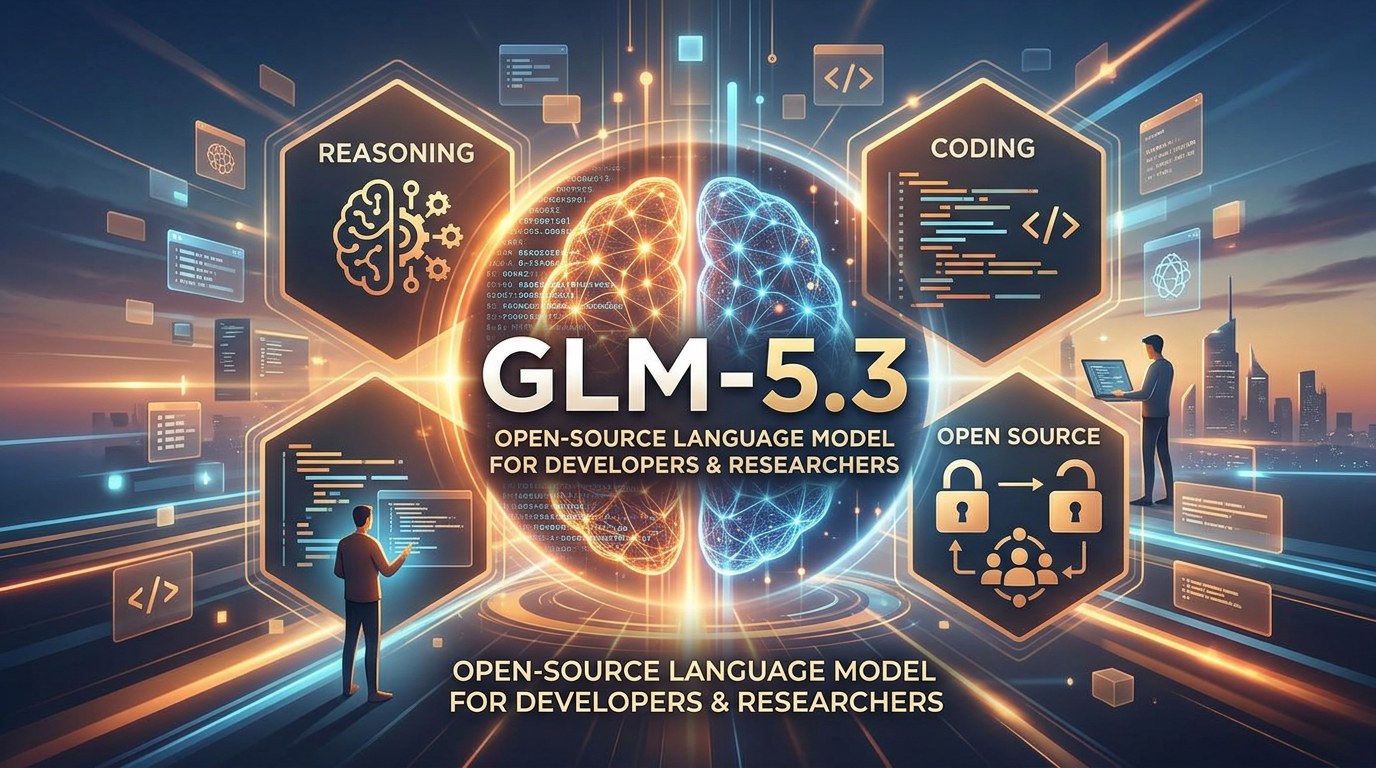
GLM-5.3 is an open-source language model: software that reads instructions and produces text or code. Its practical appeal is giving developers a high-performing model they can consider when open-source access matters.
Why It's Trending
A recent release put GLM-5.3 in front of developers, and reports of high performance increased attention around it. The case for this model is therefore less about one named feature and more about performance combined with an open-source position.
Key Capabilities
- Reasoning: described as high-performing, making it a candidate for demanding language tasks.
- Coding: its language-model design makes it relevant to developers working with code.
Best For
- Developers — evaluating open-source language models
- Researchers — studying or adapting an open model
What Makes It Different
GLM-5.3’s clearest difference is access: it is described as open source, so it belongs in evaluations where control over the model matters more than choosing a closed service. The available evidence does not identify a more specific technical edge.
Model Access
Open weights — access is associated with its open-source release.
Things to Consider
- License: its open-source status makes the license terms an important deployment check before commercial use.
Our Verdict
GLM-5.3 suits developers and researchers who need an open-source language model for evaluation or adaptation. Its place in a production stack depends on whether its reported performance survives the team’s own tasks and license review.
3. Muse Spark Open
What It Does
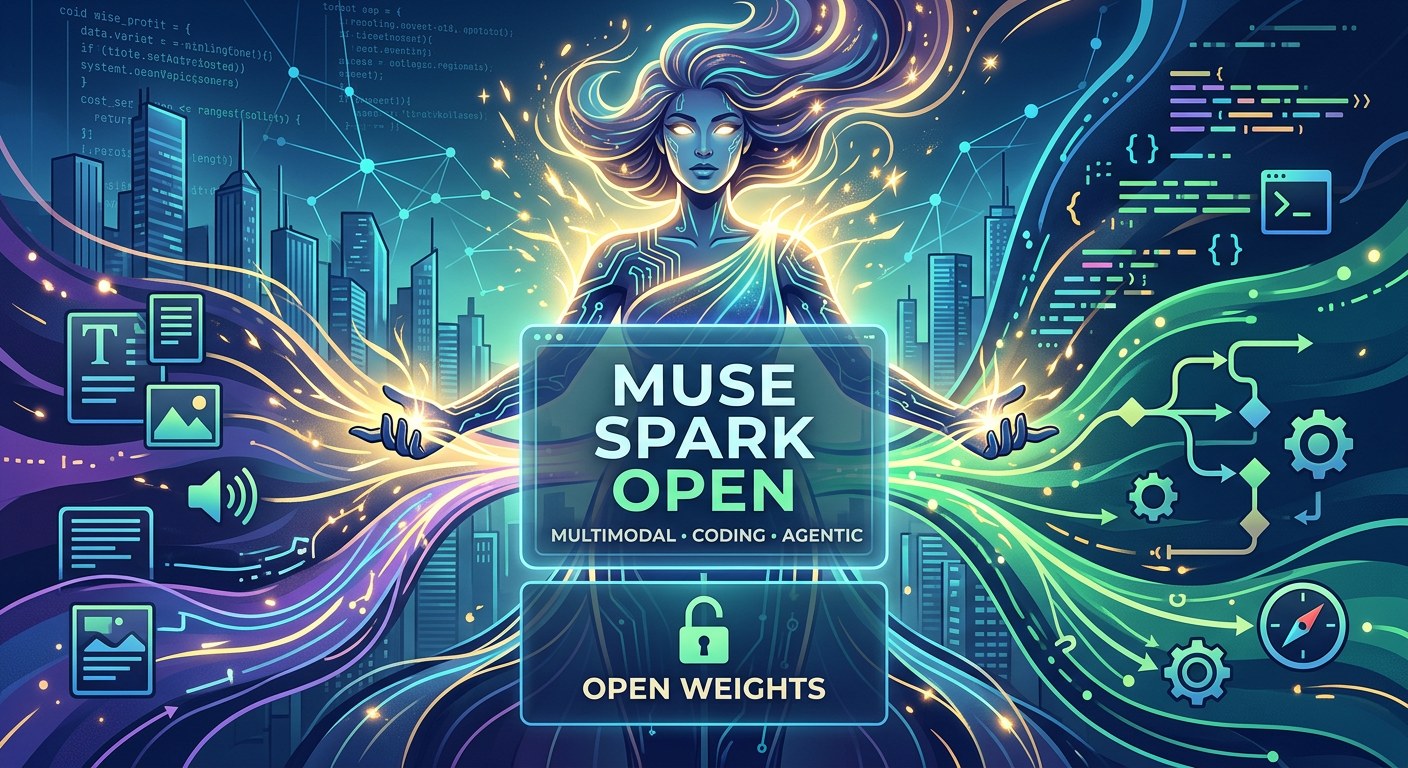
Muse Spark Open is an open-weight multimodal model, meaning it can work across more than one kind of input or output. Meta designed it for coding and agentic tasks, where software takes structured steps toward a goal instead of only answering a prompt.
Why It's Trending
Its combination of open weights, multimodal work, coding, and agentic tasks has drawn developer attention. That mix makes it a timely option for builders who want to inspect or run a model rather than rely only on a hosted service.
Key Capabilities
- Multimodal: works with more than one type of information.
- Coding: designed for software-development tasks.
- Tool/agent capabilities: aimed at agentic workflows that take structured steps toward goals.
Best For
- Developers — building coding assistants with more than text input
- AI applications — testing multimodal agent workflows
- Agents — creating systems that carry out structured tasks
What Makes It Different
Muse Spark Open combines multimodal input with coding and agentic work in an open-weight model. Compared with a plain text model, that gives builders a broader starting point, though the facts do not establish a specific speed or accuracy advantage.
Model Access
Open weights — available as an open-weight model from Meta.
Things to Consider
- Vendor dependency: Meta is the model’s developer, so teams should separate the model’s open weights from any surrounding service they may use.
Our Verdict
Muse Spark Open suits developers building multimodal coding agents, especially when inspectable weights matter. Teams should test the full agent workflow before treating its broad design as evidence of reliable autonomous behavior.
4. MiniMax M3.1 Flash
What It Does
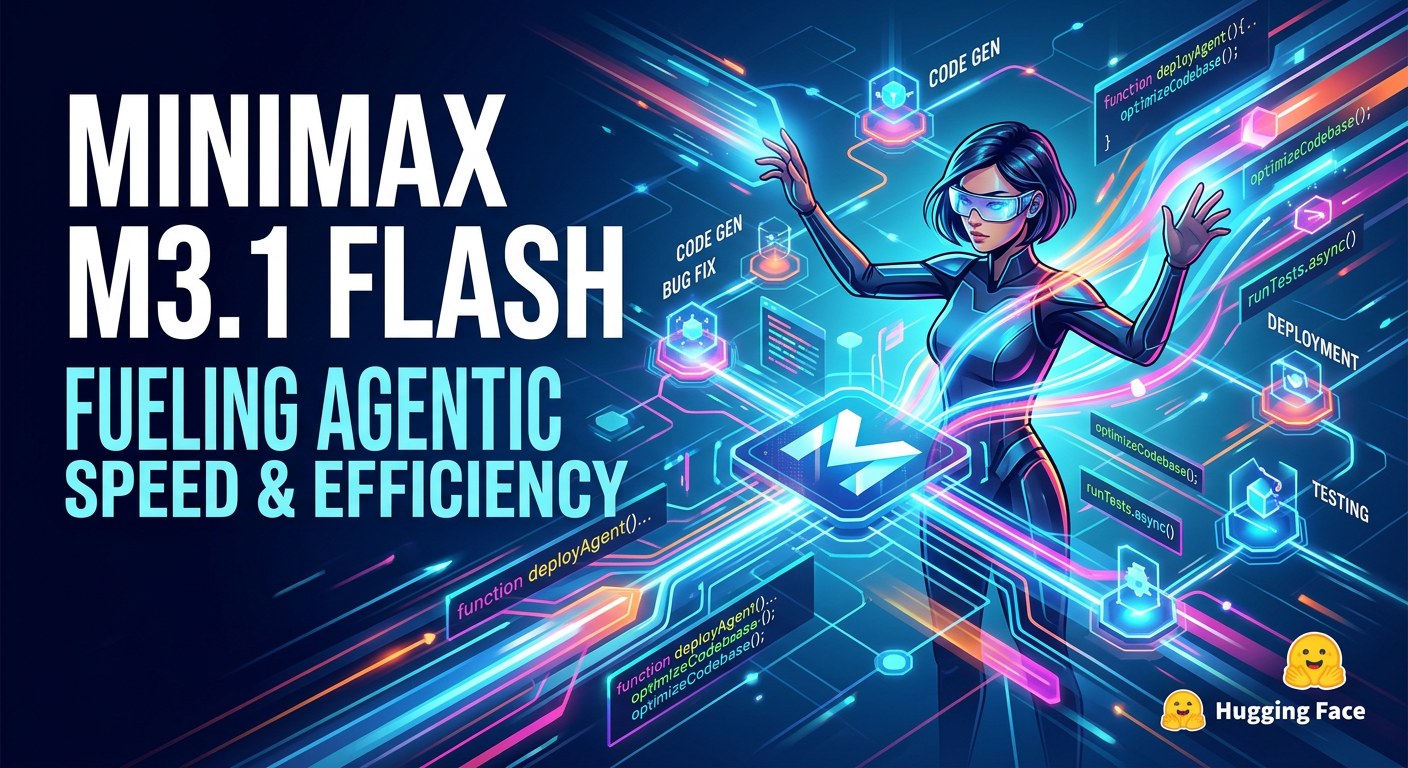
MiniMax M3.1 Flash is a model for software development and agentic tasks. It is aimed at systems that can help build software or take several steps toward a goal, with speed and cost efficiency as central benefits.
Why It's Trending
The model’s focus on faster, cheaper agent work has helped it gain attention. It has recorded 18,795 downloads and 506 likes, a smaller reach than the top entry but a clear signal around a practical developer use case.
Key Capabilities
- Coding: supports software-development work.
- Tool/agent capabilities: designed for agentic tasks that involve multiple steps.
- Reasoning: its agent focus targets tasks that require decisions across a workflow.
Best For
- Developers — building software-development assistants
- Agents — running multi-step task workflows
- AI applications — controlling speed and cost in agent features
What Makes It Different
MiniMax M3.1 Flash leads with the operational concerns that often decide whether an agent ships: speed and cost efficiency. Its distinction is therefore more practical than architectural, but the available evidence does not show how those gains compare across a specific workload.
Model Access
Open weights — on Hugging Face.
Things to Consider
- Cost: its positioning depends on improved cost efficiency, so teams should verify the savings on their own agent workloads.
- Speed: faster responses matter for interactive agents, but the stated advantage should be checked against the quality those workflows require.
Our Verdict
MiniMax M3.1 Flash is aimed at developers shipping software agents where response speed and operating cost decide feasibility. It fits best when internal tests confirm that efficiency does not undermine the agent’s task quality.
5. EmbeddingGemma 2
What It Does
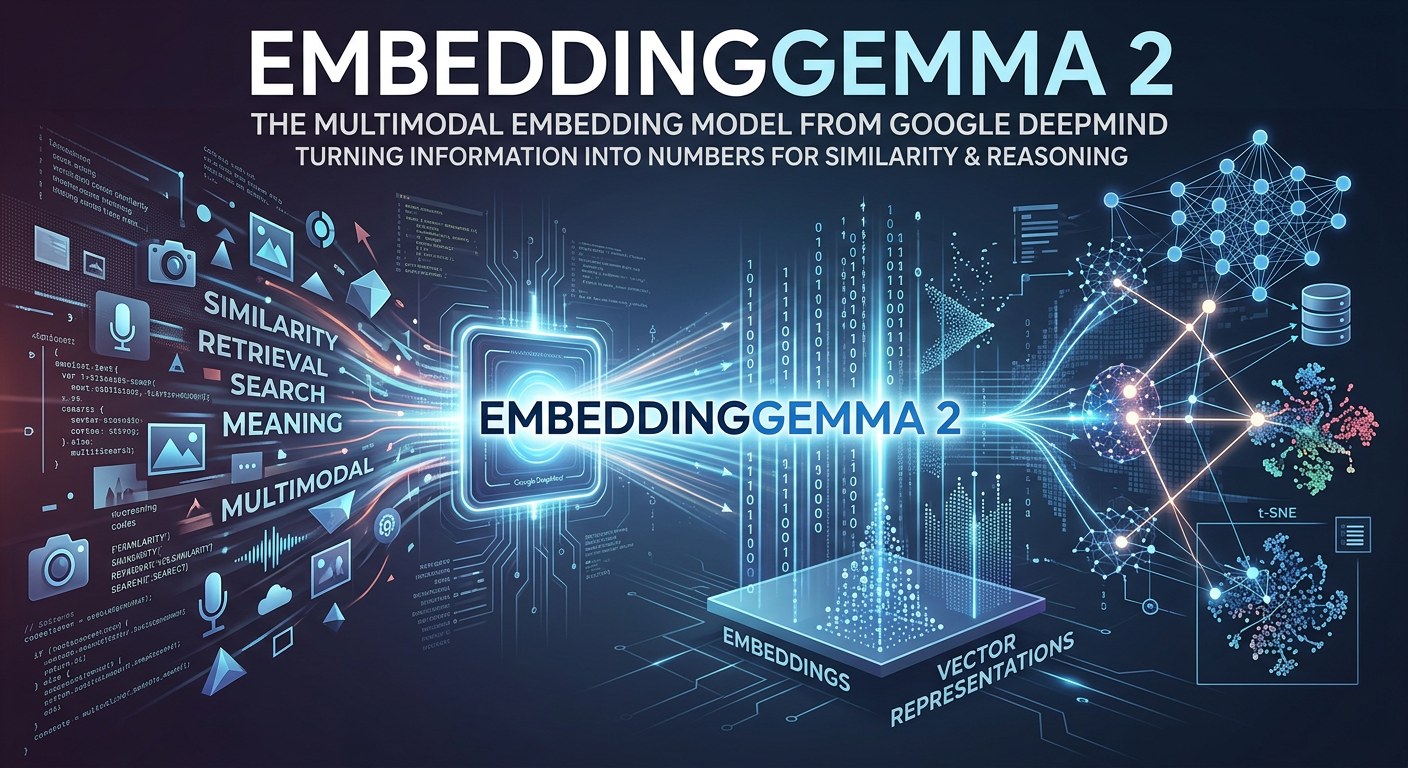
EmbeddingGemma 2 is a multimodal embedding model from Google DeepMind. An embedding turns information into numbers that capture similarity, helping an application find related text or other media instead of matching only exact words.
Why It's Trending
Its adoption signal is substantial: 338,269 downloads and 3,027 likes. The model’s multimodal focus has made it relevant to developers building search or matching features across different kinds of information.
Key Capabilities
- Multimodal: represents more than one type of information for similarity-based search.
- Reasoning: helps an application compare items by related meaning rather than exact wording.
Best For
- Developers — adding similarity search to applications
- AI applications — matching related multimodal content
- Researchers — testing multimodal representations
What Makes It Different
EmbeddingGemma 2 is not a general chat model. Its differentiator is the embedding job: turning multimodal content into a form an application can search, compare, and organize.
Model Access
Open weights — on Hugging Face.
Things to Consider
- Scope: it is an embedding model, so it belongs inside a search or matching system rather than serving as the application’s general conversation model.
Our Verdict
EmbeddingGemma 2 suits developers building multimodal search, retrieval, or matching systems. It is the wrong choice for teams seeking a standalone chat model, but a strong candidate when similarity is the product’s core operation.
The ranking favors distinct jobs over vague claims of intelligence. Qwen3.8-Flash-Next owns very long inputs; MiniMax targets efficient agents; EmbeddingGemma 2 handles similarity. GLM-5.3 and Muse Spark Open matter most when open access changes what the team can build.